Systems | Development | Analytics | API | Testing

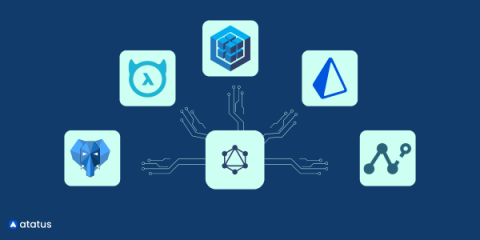
Building GraphQL APIs with PostgreSQL: Top Developer Tools to Consider

Developers often build high-performing, scalable applications using GraphQL and PostgreSQL to define data structure and achieve reliability, scalability, and high performance. First, however, selecting the appropriate framework to simplify and streamline the development process is crucial while building a GraphQL API with PostgreSQL. This blog will explore the top tools for building GraphQL APIs with PostgreSQL, including Hasura, Postgraphile, Prisma, and GraphQL Nexus.


Building a Data-Centric Platform for Generative AI and LLMs at Snowflake

Generative AI and large language models (LLMs) are revolutionizing many aspects of both developer and non-coder productivity with automation of repetitive tasks and fast generation of insights from large amounts of data. Snowflake users are already taking advantage of LLMs to build really cool apps with integrations to web-hosted LLM APIs using external functions, and using Streamlit as an interactive front end for LLM-powered apps such as AI plagiarism detection, AI assistant, and MathGPT.

Using Dead Letter Queues with SQL Stream Builder

Cloudera SQL Stream builder gives non-technical users the power of a unified stream processing engine so they can integrate, aggregate, query, and analyze both streaming and batch data sources in a single SQL interface. This allows business users to define events of interest for which they need to continuously monitor and respond quickly. A dead letter queue (DLQ) can be used if there are deserialization errors when events are consumed from a Kafka topic.

eBPF: The future of the service mesh and network innovation

The conversations around eBPF and how this technology will shape the future of the service mesh caused a huge buzz in the last year — yes, bee pun intended. eBPF lets you run sandboxed programs in an operating system kernel. Imagining how eBPF could improve the service mesh brings exciting possibilities, but it also raises security and operational concerns given the current state and limitations of eBPF.

Managing technical debt: How to go from 12 BI tools to 1

CIOs are fed up with having a plethora of BI and analytics tools with business units seemingly chasing the shiniest new solution. And although most industry surveys show data and analytics budgets continuing to grow despite a faltering economy, there is closer scrutiny and belt tightening to rid teams of overlapping capabilities. Here’s a look at how BI tool portfolios have become such a mess and how to streamline them.

Why You Should Move From Management Reporter to Jet Reports

Much like Apple people tend to be all Apple, all the time, Microsoft Dynamics ERP users tend to prefer Microsoft products for all their computing needs. It’s not hard to understand why. Using products from the same ecosystem prevents compatibility issues and saves time in learning multiple systems.

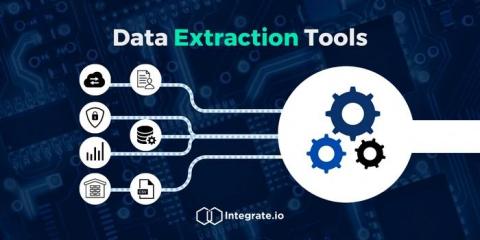
Top 10 Data Extraction Tools for 2023

A data extraction tool can help improve the accuracy of data by automating the extraction process and reducing the risk of human error. This can lead to more reliable and consistent data that can be used to make better business decisions. Moreover, data extraction tools can help you increase productivity and improve the quality of your data as they automate the process of retrieving data from multiple sources.