Systems | Development | Analytics | API | Testing

Best Practices to Adopt for D365 F&O Automation Testing: How Top Retailers Are Winning with No-Code Automation

Are you still relying on manual testing for your Dynamics 365 Finance & Operations (D365 F&O) environment? In today’s fast-paced digital landscape, where Microsoft rolls out frequent updates and business needs evolve rapidly, manual testing is no longer just inefficient. It’s a strategic risk.

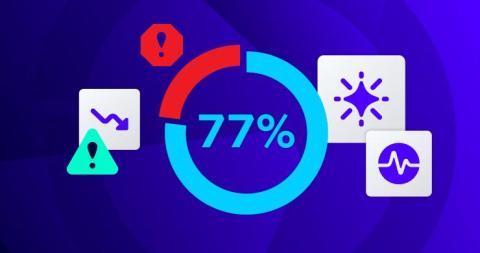
The Great Disconnect: Why 77% Confidence in AI Results Is a Major Business Risk

According to the Perforce 2026 State of DevOps report, 77% of organizations express high confidence in the outputs generated by their artificial intelligence systems. Yet, this widespread optimism masks a critical vulnerability. While executive confidence in AI results remains high, only 38% of organizations have embedded AI deeply across their delivery stages. Plus, only 39% maintain the fully automated audit trails required to verify these results.

What Makes Property Valuations Reliable (and How to Get an Accurate One in PropTech)

Accurate property valuations are critical for almost every real estate decision — from brokerage operations and investment analysis to listing pricing, lending workflows, and instant home valuation widgets in PropTech platforms. They are designed to bring clarity. In practice, different tools, portals, and AVM‑powered products may produce different numbers for the same property. Sometimes they are closely aligned, sometimes they diverge significantly.

Xcode Guide: What It Is and How to Get Started

Xcode is the default development environment for building apps on Apple platforms. If you’re creating iOS, macOS, watchOS, or tvOS apps, you’ll end up in Xcode – whether you planned to or not. Xcode is powerful, reliable and intuitive. But it’s also opinionated. Learning how it expects you to work is often the difference between feeling productive and stuck.

Choosing the right HPC Optimization Strategy and Key Challenges

The cost your CFO sees and the cost your CFO does not! This article is worth your time! Your CFO sees the invoice. Rack space. Cooling infrastructure. Software licenses. Network bandwidth. The quarterly HPC bill lands on the desk, gets reviewed against the budget, and moves on. But here is the question that rarely makes it into that review: How much of that infrastructure investment is actually working for you?

AI is writing your code. Is your regression testing keeping up?

AI is now writing more of your code than ever. But the problem is that your test suite was built to catch errors, not to catch the difference between what an AI agent produced and what your original specification actually required. As AI tools accelerate development velocity, the volume of code moving through pipelines is outpacing traditional quality processes.

In performance testing, AI's confidence can be your team's undoing

Quick summary: AI accelerates code creation, but its inherent confidence pushes structural risks downstream, where they surface as costly, release-blocking problems. As code output scales, performance validation that can’t keep pace becomes a headache and a business risk. Agentic performance testing embeds skepticism and performance awareness into the development process before risk can compound. Software development requires specialized expertise for a reason.

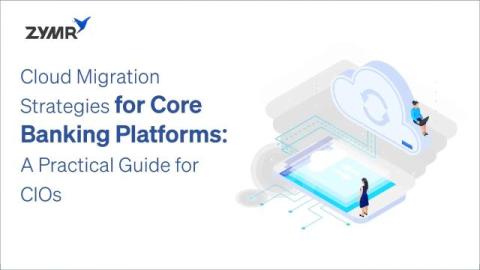
Cloud Migration Strategies for Core Banking Platforms: A Practical Guide for CIOs

Most core banking systems were never designed to move. They were built to run reliably inside controlled environments, with tightly bound processes, batch cycles, and layers of regulatory logic stitched over time. Now, those same systems are expected to support real-time payments, embedded finance, and API-driven ecosystems, often without a fundamental redesign. That mismatch is forcing a shift.