Systems | Development | Analytics | API | Testing

IoT Medical Device Integration: Technical Guide to Devices, Gateways & EHR Systems (2026)

The Internet of Medical Things (IoMT) is growing faster than ever. According to 2026 data from The Business Research Company, the global IoMT market has reached over $124 billion this year and is on track to hit nearly $300 billion by 2030. This growth is happening because healthcare is moving outside hospital walls and into patients' homes through remote monitoring. But for engineering teams, connecting these devices is a massive headache.

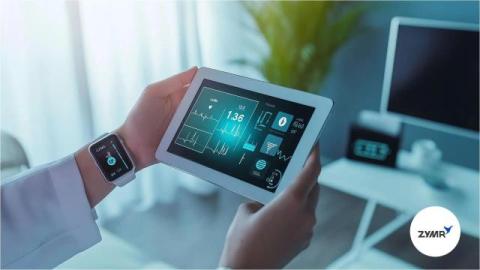
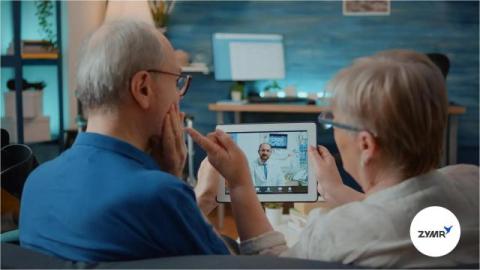
How to Build a Custom Remote Patient Monitoring App: Architecture, Devices, and Compliance - The 2026 Build Playbook

The digital healthcare market is undergoing a structural shift. Recent industry data from McKinsey and Statista shows that the global remote patient monitoring market is projected to reach $6.1 billion by 2030. Healthcare providers are rapidly moving away from legacy, episodic care models toward continuous, data-driven disease management. This change is accelerated by significant updates to reimbursement structures and a growing demand for scalable clinical workflows.

IoMT vs. Consumer IoT vs. Industrial IoT: Why Healthcare Needs a Different Engineering Approach

The Internet of Medical Things (IoMT) is not a subset of consumer IoT. It is not an extension of Industrial IoT either. It is a distinct engineering domain defined by clinical accuracy requirements, patient safety consequences, mandatory regulatory frameworks, and data privacy obligations. IoMT vs consumer IoT vs industrial IoT is therefore not a product categorisation exercise. It is the foundational question every connected medical device team must answer before writing a single line of firmware.

Neobanking for SMEs: Why B2B Digital Banking Is the Next $100B Opportunity

The world of banking is shifting. For a long time, cool consumer banking apps made all the headlines. But today, the biggest change is happening in the business world. Recent financial reports from firms like McKinsey and Boston Consulting Group show that small and medium enterprises (SMEs) spend over $850 billion a year on banking fees and loans. Because of this, specialized neobanking for SMEs has quietly grown into a massive $100 billion market opportunity in 2026.

The 2026 State of Neobanking: Market Size, Profitability Trends, and Tech Stack Shifts

The state of neobanking 2026 looks very different now. A few years ago, most digital banks were chasing growth at any cost. More users. More app downloads. More market buzz. Today, the focus has shifted. Investors want profitable business models. Regulators want tighter compliance. Customers expect their neobank to feel as reliable as a traditional bank, but far more seamless to use. The industry is finally moving from hype toward operational maturity.

AI in Neobanking: From Chatbots to Credit Scoring - What Actually Works in 2026

AI is no longer an experimental layer in neobanking. It is becoming core infrastructure. Fraud monitoring, onboarding, credit decisions, customer support, and compliance workflows are now increasingly driven by AI systems operating in real time. But here is the problem. Most fintech content treats every AI use case as equally mature. That is far from reality. Some AI investments already deliver measurable ROI in production. Others still sit in the demo stage with unclear business impact.