Systems | Development | Analytics | API | Testing

What Is Metadata Why Is It Important?

Metadata refers to the information about data that gives it more context and relevance. It records essential aspects of the data (e.g., date, size, ownership, data type, or other data sources) to help users discover, identify, understand, organize, retrieve, and use it—transforming information into business-critical assets. Think of it as labels on a box that describe what’s inside. Metadata makes it easier to find and utilize the data that you need. Typical metadata elements include.

Exploring Data Provenance: Ensuring Data Integrity and Authenticity

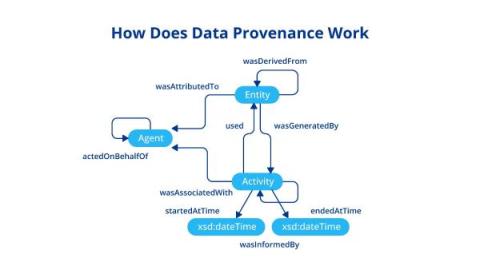
Data provenance is a method of creating a documented trail that accounts for data’s origin, creation, movement, and dissemination. It involves storing the ownership and process history of data objects to answer questions like, “When was data created?”, “Who created the data?” and “Why was it created? Data Provenance is vital in establishing data lineage, which is essential for validating, debugging, auditing, and evaluating data quality and determining data reliability.

Not All MFA is Created Equal, Especially in CIAM

In many industries (finance and healthcare, to name a couple), regulations require the use of multi-factor authentication (MFA) to protect access to sensitive data and transactions. Also, an important executive order was issued, aimed at improving the cybersecurity posture within the US government by requiring all federal agencies to adopt MFA systems. Regulations and standards like these will continue to spread over more industries and transaction types.

Creating Forms in Ruby on Rails with Simple Form

Ruby on Rails has changed how we build web applications. Early on, the framework came with some great features to help you get started and build robust applications. However, it can still be tricky to build and handle forms. Simple Form is a great option. Let's examine what Simple Form is, why we might need it, and some real use cases.

Understanding Offset and Cursor-Based Pagination in Node.js

Pagination means dividing a big chunk of data into smaller pages. It unlocks performance benefits for the backend, while also improving UX by sending manageable pieces of data to a client. In this article, we'll explore offset-based and cursor-based server-side pagination approaches, compare them, and implement cursor-based pagination in Node.js. Let's get started!

Implementing iOS Universal Links for Enhanced App-Web Navigation

Universal Links are an iOS feature allowing seamless integration between web content and native iOS apps. With iOS Universal Links we can intelligently configure a specific web URL, associating it with our iOS app so it will open directly when the URL is clicked.

Data Dashboard Essentials: What You Need

For even the most tech- and data-savvy individuals, working with the levels of raw data produced by businesses today is overwhelming. Well-executed data dashboards solve this problem by eliminating the noise and drilling down to just the data points necessary at that moment. A data dashboard's dynamic nature helps your team get the most up-to-the-minute information right when they need it.

Deploy applications with confidence with Tricentis NeoLoad and DataDog

In today’s digital landscape, ensuring the optimal performance of your applications is paramount for delivering seamless user experiences. However, identifying potential bottlenecks is not easy. This analysis is one of the single most important activities in performance testing, but it’s often the most difficult one, and a misstep can cause significant setbacks.

Xray continues to excel in Customer Service with the new Stevie Awards in 2024

With the Silver and Bronze Stevie Awards, Xray reaffirms its commitment to outstanding customer support and service excellence. Xray, a leader in software testing solutions, is proud to announce its recent awards in the 2024 Stevie Awards. It secured a Silver Stevie for Front-Line Customer Service Team of the Year and a Bronze Stevie in the Customer Service Department of the Year category for Computer Software companies with up to 100 employees.