Systems | Development | Analytics | API | Testing

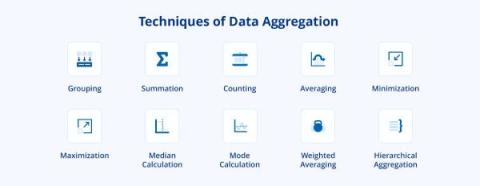
All You Need to Know About Data Aggregation

Data aggregation is the process of combining and summarizing data from disparate sources into a cohesive dataset. It prepares data for analysis, making it easier to obtain insights into patterns and insights that aren’t observable in isolated data points. Once aggregated, data is generally stored in a data warehouse. Then, you can leverage it to gain a holistic perspective on your operations and market trends, design effective risk management practices, and make more informed decisions overall.

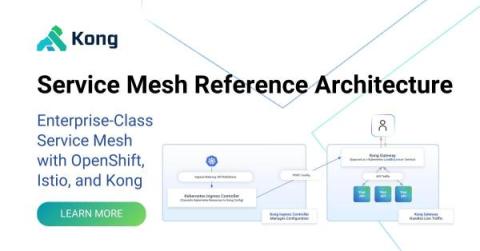
Enterprise-Grade Service Mesh: A Reference Architecture with OpenShift, Istio, and Kong

The service mesh architecture pattern has become a de facto standard for microservices-based projects. In fact, from the mesh standpoint, not just microservices but all components of an application should be under its control, including databases, event processing services, etc.

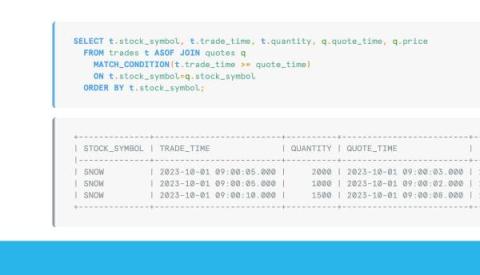
Accelerate Your Time Series Analytics with Snowflake's ASOF JOIN, Now Generally Available

Time series data is everywhere. It captures how systems, behaviors and processes change over time. Enterprises across industries, such as Internet of Things (IoT), financial services, manufacturing and more, use this data to drive business and operational decisions. When using time series data to perform analytics and drive decisions, it’s often necessary to join several data sets.

Beyond the Basics: Bug Report Template for Complex Issues

Think about the difference between a basic and complex bug. A basic bug might be a typo in a button label – it's obvious and easy to fix. Complex bugs, though, are trickier. They might only happen under specific conditions, involve multiple parts of the software, or cause confusing symptoms. For these complex issues, a standard bug report isn't enough. Developers need more clues and context to pinpoint the problem. That's where an advanced bug report template comes in.

Test Automation in QA

Like many tech endeavors, QA has undergone radical evolution over the past decade, and to keep up with the competition, dev teams are looking toward the future of QA and test automation. Since machines can do low-skill testing, dev teams are looking for expertise and complex skill sets, which means that human testers’ day-to-day responsibilities are changing thanks to automation. In this article, we will discuss test automation, what it is, examples, types of test automation, and uses.