Systems | Development | Analytics | API | Testing

Unpacking Distributed Applications: What Are They? And How Do They Work?

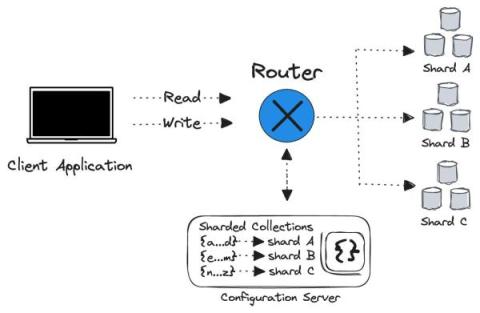
Distributed architectures have become an integral part of modern digital landscape. With the proliferation of cloud computing, big data, and highly available systems, traditional monolithic architectures have given way to more distributed, scalable, and resilient designs. In this blog, we look at what makes an application distributed and how distributed applications work to bring about high availability, scalability, and resilience.
How to Create an Application Migration Strategy

Creating an effective application migration strategy is crucial for organizations seeking to migrate their applications to a new environment, such as a cloud platform or a different on-premises infrastructure. A well-planned migration strategy ensures a smooth transition, minimizes downtime, and mitigates potential risks and challenges. Here’s what you need to do in order to create an application migration strategy.

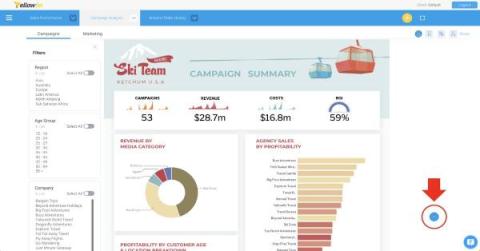
How to Add a 'Back to Top' Button to Your Yellowfin Dashboard

Welcome back to Yellowfin Japan’s ‘How to?’ blog series! In our previous blog, we went through how to create big number and vertical column charts in Yellowfin, and the many different charting options available in Yellowfin Canvas. Before we re-visit our regular series, we want to share a shorter dashboard walkthrough.

Open Source Fractional GPUs for Everyone, Now Available from ClearML

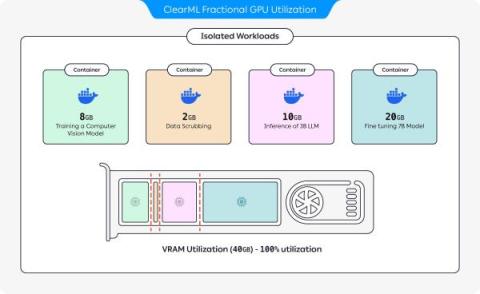
If you’ve been following our news, you know we just announced free fractional GPU capabilities for open source users, enabling multi-tenancy for NVIDIA GPUs and allowing users to optimize their GPU utilization to support multiple AI workloads as part of our open source and free tier offering.

From Theory to Practice: Real-World Applications of Cloud Platform Integration

Many companies talk about cloud integration in a theoretical way. But cloud technologies aren’t theoretical. They’re a rapidly growing segment of technology that’s changing the way businesses operate. In the following article, we move from theory to practice so you can have a more realistic vision of what to expect when you move more of your on-site tech to the cloud.

Introducing Tableflow

We’re excited to talk about our vision for Tableflow, which makes it push-button simple to take Apache Kafka® data and feed it directly into your data lake, warehouse, or analytics engine as Apache Iceberg® tables. Making operational data accessible to the analytical world is traditionally a complex, expensive, and brittle process and we believe we can do better to unify the operational and analytical estates.

Confluent Cloud for Apache Flink Is Now Generally Available

Last year, we announced our plan to build a cloud-native Apache Flink® service to meet the growing demand for scalable and efficient stream processing solutions in the cloud. Today, we're thrilled to announce the general availability of Confluent Cloud for Apache Flink across all three major clouds. This means that you can now experience Apache Kafka® and Flink as a unified, enterprise-grade platform to connect and process your data in real time, wherever you need it.

Build, Connect, and Consume Intelligent Data Pipelines Seamlessly and Securely

We’re excited to share the latest and greatest features on Confluent Cloud, in our first launch of 2024. This Cloud Launch comes to you from Kafka Summit London, where we talked about the latest updates highlighted in our launch, including serverless Apache Flink®, some exciting pricing changes, updates to connectors, and more! We also shared our vision for a future offering, Tableflow.