
We’re in the early stages of a dramatic transition for the analytics industry. More and more of the jobs that were previously done by analysts are being automated. Technology is changing the way organizations receive information. People are being alerted to both good and bad news as it happens and this has profound behavioral consequences for organizations.
In today’s digital world, staying ahead of the curve is a constant challenge for organizations. The pace of business is exponentially higher now than it was even a decade ago. Technology is evolving, and the ability to keep current has become a critical success factor. Organizations need to embrace constant and rapid change. They need to equip all employees with information, motivation, and support to think critically and systemically, allowing them to innovate and reduce waste.
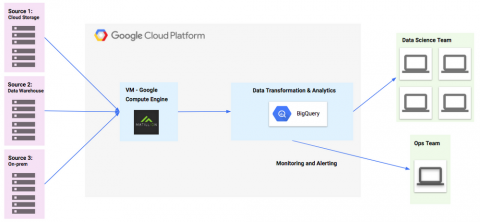
There are plenty of trends and hot topics in the enterprise technology market today. One common area we hear about from users is that there’s a lot of data to collect, manage, and analyze. And whatever industry you’re in, you probably want to do something more with your data. We built BigQuery, one of the important tools in the Google Cloud Platform (GCP) arsenal, to provide serverless cloud data warehousing and analytics with built-in machine learning to meet modern data needs.
For over 30 years, the dashboard has been the delivery paradigm of choice for decision support and executive information systems. It started with Business Objects and Cognos, and today Qlik, Tableau, Power BI and other vendors are still using dashboards as the medium of data delivery. Rather than thinking about whether there’s a better way to deliver insights, dashboard dinosaurs just keep using the same paradigm.
This month is packed with exciting news at Qlik, with the latest being the availability of Qlik Sense November 2018. This release introduces a game changing AI capability – cognitive machine learning. Qlik is leading the market with precedent-based learning capabilities, allowing our Cognitive Engine to get “smarter” over time based on user behavior and feedback, Qlik Sense artifacts, business rule definitions, and other sources.