Systems | Development | Analytics | API | Testing

Microservices: Decomposing Applications for Testability and Deployability by Chris Richardson

In this presentation, Chris Richardson describes the essential characteristics of the microservice architecture. You will learn about the benefits and drawbacks of the microservice architecture and when it makes sense to use it. Chris also covers how the microservice architecture is not a silver bullet.


Shrinking to Grow: What Small Can Do for Your Organization by Chad Fowler, CTO & GM of Microsoft

Keeping things small is one of the best things you can do for yourself and your team. Almost everything we've seen in the evolution of software and systems points to one, fundamental truth: small things are more manageable than big things. Small iterations are better iterations. Small methods are better methods. Small teams are better teams.

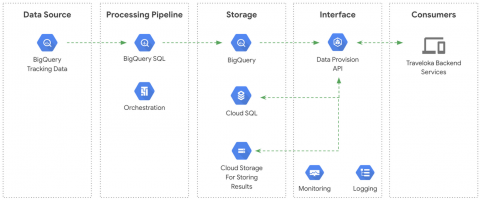
How Traveloka built a Data Provisioning API on a BigQuery-based microservice architecture

To build and develop an advanced data ecosystem is the dream of any data team, yet that often means understanding how the business will need to store and process that data. As Traveloka’s data engineers, one of our most important obligations is to custom-tailor our data delivery tools for each individual team in our company, so that the business can benefit from the data it generates.

Demystifying Microservices

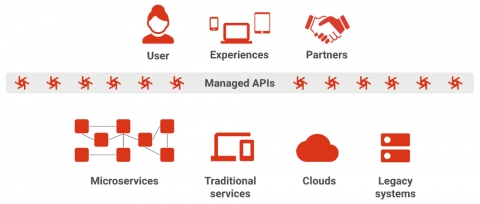
Are they basically just an evolved version of service-oriented architectures (SOA)? Since a microservice must be exposed via an application programming interface (API) for an organization to scale it to new developers, does that mean managing microservices is basically the same as managing APIs? As this article will discuss, the answer to both of these questions is a clear “no” — and companies looking to get the most from their microservices need to understand why.