10+ Google Analytics Dashboard Examples That Have Helped 550k People (And How to Use Them)
Want to boost your website performance? Discover 10+ Google Analytics dashboard templates you can steal, or learn how to build your own.


Want to boost your website performance? Discover 10+ Google Analytics dashboard templates you can steal, or learn how to build your own.
Hot sand. Cold drinks. New Appian features. My perfect kind of August! The heat may be relentless, but we’re staying cool with the Appian 22.3 release. From codeless data modeling to SAML “Remember Me” log-in configurations to a one-stop shop Solutions Hub, this release brings you new capabilities that make building apps easier than ever so you have more time to enjoy your summer. Missed the webinar with Appian VP of Product and Deputy CTO, Malcolm Ross? Don’t sweat it.
The market for mobile apps has become quite competitive. Mobile application testing is a must to ensure functionality, usability, reliability, and performance. Effective mobile app testing allows for early recognition of defects and enhances time to market. People spend a large part of their day on mobile apps, making it crucial to develop a great mobile app experience.
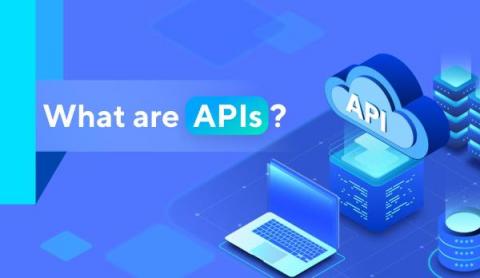
APIs are a key aspect of our digital world and allow us to engage in digital experiences on our phones and computers every day. Every time you use an app such as Facebook or Instagram, check the weather or send an instant message, you’re using an API. So what are APIs? API stands for Application Programming Interface, which enables communication between two applications.
One of the major steps in our 8 Step Guide to Modernizing Your Testing Organization is selecting the right operating model for your testing team. Why? Because this is were you determine how your testing organization will actually run. This is where you’ll establish accountability and communication needed to continue testing innovation and maintain best practices.
Accelerating your software delivery cycle is impossible unless you also accelerate and enhance your approach to software testing. In another article we described the eight steps of the journey to transform your organization into a modern testing organization. This article will focus on defining your test strategy. You’ll learn about the importance of adopting agile practices.
Getting data *into* your database is easy, but querying large datasets is challenging—especially without the right indexes. Pavel Tkachenko teaches how to write performant SQL queries with EXPLAIN and ANALYZE.