The frontend of any application or website is critical for user interaction, making frontend developers key players in creating seamless and engaging user experiences. Whether you're building a simple website or a complex web application, hiring the right frontend developer ensures that your project will not only look great but function smoothly across all devices. This guide walks you through a step-by-step process to help you hire the ideal frontend developer for your project.
GoMock is a powerful tool for generating mock objects in Go, making it an essential asset for developers aiming to write advanced unit tests. By simulating the behavior of real objects, GoMock allows you to test your code in isolation, ensuring that each component functions correctly on its own. This capability is particularly useful in a language like Go, where interfaces play a crucial role in defining the behavior of different components.
As we mark Climate Week, Qlik reaffirms its dedication to sustainability—both in our own operations and in empowering organizations worldwide to tackle society’s most pressing challenges. The below text is taken from our most recent Impact Report which you can find on our website here. At Qlik, we are dedicated to operating a sustainable business while helping organizations and partners across the globe tackle their and society’s biggest challenges with data.
In today's fast-paced software development landscape, delivering high-quality assurance applications is paramount. A well-crafted test strategy plays a pivotal role in ensuring that your software meets the desired standards of functionality, performance, and reliability. Unlike a test plan, which focuses on the granular details of a specific project, a test strategy provides a high-level roadmap for testing throughout the entire software development lifecycle (SDLC).
EDI stands for electronic data interchange, the automated process of exchanging business documents, such as purchase orders (PO) and invoices, between a company and its trading partners. EDI standards, like ANSI X12 and EDIFACT, ensure that these documents follow a consistent structure, streamlining communication and accelerating transactions.
With the advancement of technology and the interconnection of various online systems, the amount of data transferred through web servers is rapidly increasing. Web services provide mass access to data via an Application Programming Interface (API). However, the increased volume of queries also requires a certain level of protection against various intentional or unintentional abuses, including excessive request frequency.
Engines are one of the best ways to share functionality across Rails applications. Whether you're looking to extend your Rails application, modularize your project for better maintainability, or are just curious about the finer details, join us as we explore the intricacies of Rails engines. This article dives into everything you need to know about Rails engines, from their definition to their types, popular examples in the real world, and even building your own.
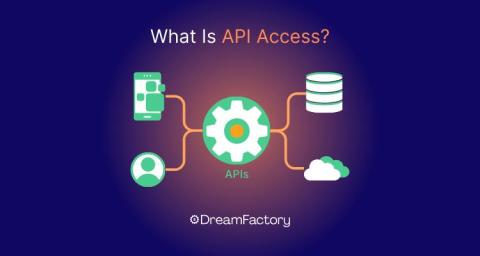
The ability to seamlessly integrate different software applications is paramount for businesses and developers. This is where API access comes into play. API access refers to the ability of an application or client to interact with and use the functionalities of an API, typically controlled through authentication and authorization mechanisms like API keys or tokens.