Systems | Development | Analytics | API | Testing

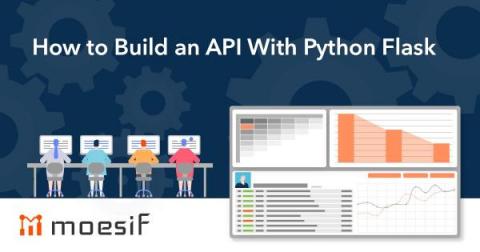
How to Build an API With Python Flask

Python Flask is a popular framework for building web applications and APIs in Python. It provides developers with a quick and easy way to create RESTful APIs that can be used by other software applications. Flask is lightweight and requires minimal setup, making it a great choice for building small to medium-sized APIs. This makes Flask an ideal choice for developers looking to build robust and scalable APIs in Python. This example will review how to create a simple rest API Flask tutorial.


Solving key challenges in the ML lifecycle with Unravel and Databricks Model Serving

Machine learning (ML) enables organizations to extract more value from their data than ever before. Companies who successfully deploy ML models into production are able to leverage that data value at a faster pace than ever before. But deploying ML models requires a number of key steps, each fraught with challenges.

Process Automation Types, Explained

Are you confused about the multiple types of business process automation? You’re not alone. Automation tool vendors seem to have created more flavors than a contestant on Top Chef. Let’s get to the bottom of the differences between the various types of process automation and find out what they can and can’t do, in plain terms. Here’s a starting hint: Get ready for synonyms. In some cases, different analyst firms and tool vendors use different terms for the same ideas.

Writing your back end in Dart

In this blog post, we will explore the process of building a back end using only Dart. With the numerous options available for achieving this, it’s normal to feel overwhelmed or unsure of where to begin. Thus, this post is primarily directed at Flutter developers who are considering Dart for their back end for its various benefits, which we will discuss later on.

CIAM Beyond Access Management - Is Your CIAM Program There Yet?

How mature is your CIAM program today, and how do you aspire to evolve it? We talk with many existing and prospective CIAM customers and have found a fairly rapid evolution in maturity over the last year. In fact, we’ve developed the WSO2 CIAM Maturity Model to discuss the various levels of maturity we see across the market. So what level do you think your organization is at currently, and how can you strive for an optimized level of maturity?

Evolving API Management Requirements of Modern Enterprises

The ability to rapidly assemble and reassemble APIs and microservices has become a competitive differentiator across all industries — allowing organizations to pivot business models and deliver amazing customer experiences at speed and scale. Innovative organizations are pushing to become agile and transforming by adopting cloud native technologies that allow them to build more resilient software quickly that easily scales.

Selecting the right data pipeline tools

Data integration is the process of combining data from different sources and formats to create a unified and consistent view of the data. This involves merging data from multiple databases, applications, and other sources into a single repository, and transforming and formatting data so that it can be easily accessed and analyzed. Data assets need quality controls to ensure they are valid and reliable as many teams within an organization leverages the same data for different purposes.

Beginner's Guide to Elasticsearch API: Indexing and Searching Data

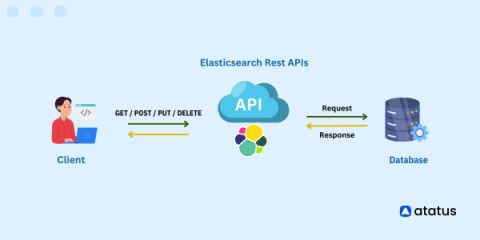
Elasticsearch is a JSON-based database leaning heavily towards the unstructured types within the databases available out there. ( Postgres and MySQL are purely structured, while NoSQL is entirely unstructured). It interacts through restful APIs and provides a central unit system combining several datasets arising out of logs, metrics, and application trace data. A quick comparison with relational database management systems (RDBMS) will tell us their similarities.