Systems | Development | Analytics | API | Testing


How to Build an Automatic ML Model Retraining Loop
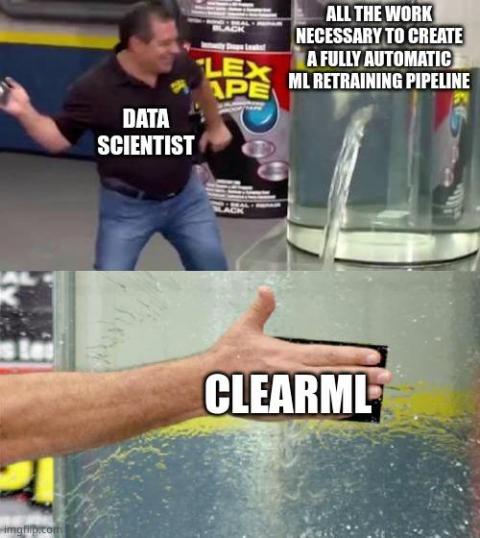
Fully automatic retraining loop using ClearML Data Right, so you want to create a fully automatic retraining loop, that you can set up once and then pretty much forget about. Where do we even start?!
ClearML-Data
Build an AI App in Under 20 Minutes
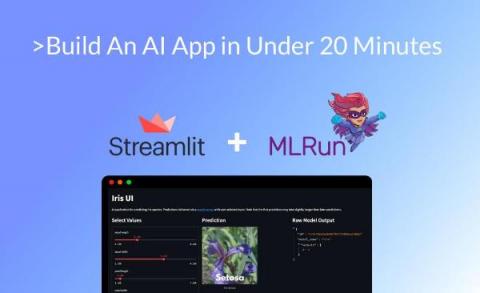
Machine learning is more accessible than ever, with datasets available online and Jupyter notebooks providing an easy way to explore and train models. In building a model, we often forget that it will be incorporated into an application that will provide value to the user. Therefore, we wanted to demonstrate how we can "use" the models we build in an application.
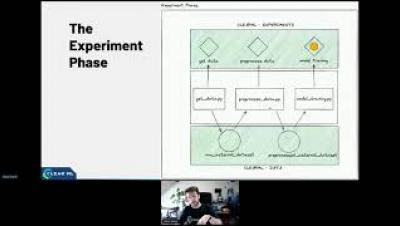
[MLOPS] From experiment management to model serving and back. A complete usecase, step-by-step!

How SightX Uses ClearML to Build AI Drone Models
With the rise of drone usage, it’s easier to take aerial footage than ever before. The resulting data can trigger quick, effective action; removing guesswork and increasing aerial awareness, which can have profound implications on growing profits and trimming expenses. And as drone use rises, so does the usage of AI, to navigate, detect, identify, and track meaningful artifacts and objects.
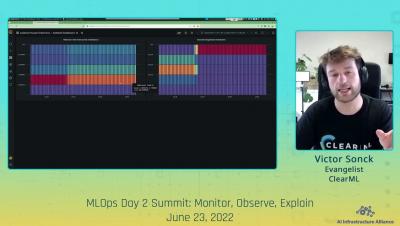
[TALK] Model Serving Monitoring and Traceability: The Bigger Picture
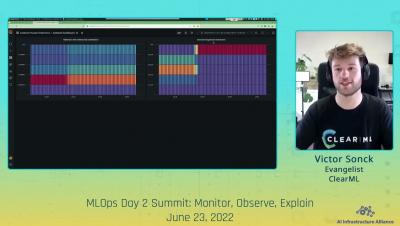
Model Serving Monitoring and Traceability - The Bigger Picture - The AIIA Summit 2022

Rossum: Speeding up document processing by 90% with the power of AI
Introducing Databricks Support: Operational AI for the Lakehouse
On the heels of announcing our $14.5M Series A and General Availability, we’re excited to be at the Data + AI Summit to unveil support for Continual on the Databricks Lakehouse. Increasingly, data and ML tool providers are embracing a data-centric approach to the ML workflow. The goal is to focus on what increasing drives ML – the data – compared to infrastructure, algorithms, or pipelines. At Continual we bet on data-centric AI from day one.