Systems | Development | Analytics | API | Testing

Modern Software Development For Today's Systems & Applications


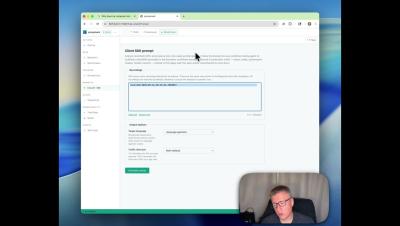
Instant Java Client SDK, no spec required!
Learn how to generate a client SDK for a production service when you have no documentation, no OpenAPI spec, and no remaining team knowledge of the original Ruby code. This demo shows you how to capture real production data from a running app and transform it into a functional Java client library in minutes. Visit proxymock.io OR speedscale.com to learn more.
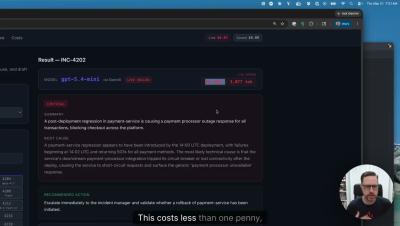
Stop Token Maxing: Mock Your LLM API Calls and Cut AI Costs to Zero
Stop wasting money on AI API tokens in your local, test, and CI environments. In this demo, I show how to record real LLM responses and replay them for free using proxymock and stop surprise bills.
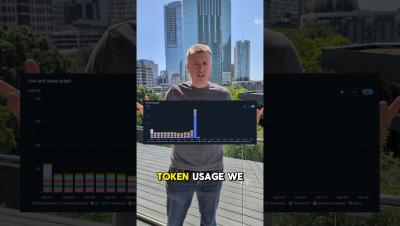


From Traffic Context to Confirmed Fix in 3 Minutes
We’ve been building an AI agent that can take a production bug, find the root cause in captured traffic, write a fix, and validate it before a human reviews it. We call it Agent Factory. Last week we ran it on ourselves, against a real bug in our own production service. The first thing we did was get the workflow wrong.

Anatomy of the AI Software Factory: The Context Layer
This is Part 2 of the AI Software Factory series. In Part 1, we established that the Agile methodology is buckling under the weight of “elastic code.” When AI agents can generate functionality in seconds, two-week sprints and manual task management become organizational bottlenecks. We introduced the concept of the AI Software Factory: a shift from managing human tasks to managing business intent through a “Funnel of Increasing Trust.” But a factory requires infrastructure.


The "Free" AI Tool That Will Ruin Your Code#speedscale #aiagents #aicoding #devops #softwareengineer
Relying on AI and interns to build custom traffic replay tools is a scalability nightmare that introduces security risks, brittle code, and massive maintenance costs...use Speedscale instead. Learn more: speedscale.com.


Are You Token Maxing Wrong? #speedscale #claude #claudecode #softwareengineer #aiagents #aicoding
Stop burning cloud credits blindly, here is how big tech actually scales AI with software factories.
Sponsored Post
Run Local LLMs on Mac to Cut Claude Costs
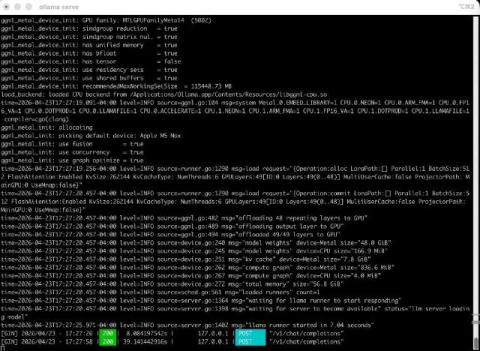
Part of the motivation for this post is how cloud API economics are shifting: Anthropic is moving large enterprise customers toward per-token, usage-based billing (unbundled from flat seat fees), which makes "always call the API" a moving cost line for teams at scale. A hybrid or local layer is one way to keep spend bounded while you still use premium models where they matter.


How a Marketing Intern Ended Up Running Claude in a Terminal
Before I ever ran Claude in my terminal, I thought I already understood AI tools pretty well. Like most people, I had used ChatGPT, Google Gemini, and Perplexity for everyday tasks. Such as helping with schoolwork, organizing ideas, summarizing information, or getting through something faster when time was tight. They were useful, but they still felt separate from how real work happened.