Historically, SoC’s have been designed in a project-centric design style. But with the proliferation of IP-centric architectures and methodologies, thought needs to go into an optimal design partitioning. That’s what we break down in this blog.
The term “Design Pattern” describes a well-known and battle-tested solution to a problem that developers tend to encounter again and again when developing software. Design patterns are conceptual and can be implemented in any programming language. Design patterns generally fit into one of the following three different categories depending on the problem they address: In this blog post I’m going to cover a pattern from each of these categories in depth.
Graphic design is the art through which messages and ideas are communicated visually. Graphic design is also known as communication design and refers to the way designers connect with people through graphics or images. Elements of graphic design such as color, line, shape, space, texture, etc., influence the perception of consumers and viewers. Graphic design is a field that has an impact in various fields around the world.
Building stable and robust software is one of the primary goals of any software development project. While it is crucial to keep your code error-free for that, the real strength of your application comes from its foundation—the architecture of your code. SOLID is one of the most popular collections of software design principles. Its goal is to help you avoid common pitfalls and plan your application’s architecture from a very high level.
Following up on an earlier blog post where we discussed what is product lifecycle management for semiconductors, in this blog we will delve deeper into the challenges that PLM presents for a semiconductor design environment. Although PLM tools have seen some success in industries such as defense, automobile, aerospace, and others with large design teams and well-established methodologies, the adoption rate in the semiconductor space has been slow.
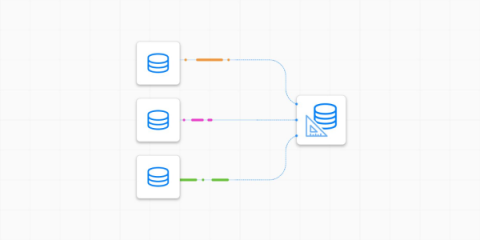
Learn how to design normalized schemas that make life easier for analysts and data engineers.