Systems | Development | Analytics | API | Testing

Api Security Testing 101: Protecting Your Data From Vulnerabilities

Data is vital to everything we do in the modern world. When it comes to data, we cannot ignore APIs. They act as the internet’s functional backbone, helping in the smooth transfer of data between servers, apps, and devices. APIs must be protected from risks and vulnerabilities because they are used at every step. This is where security testing for APIs comes in.

Common Vulnerability Scoring System: What Is CVSS in Cybersecurity?

Common Vulnerability Scoring System (CVSS) and the National Vulnerability Database (NVD database) help you to properly assess which software vulnerabilities should be your top priority. Here, we explain what is the National Vulnerability Database (NVD), what is the Common Vulnerability Scoring System, and how CVSS is used to calculate risk. Read along or jump to the section that interests you the most.

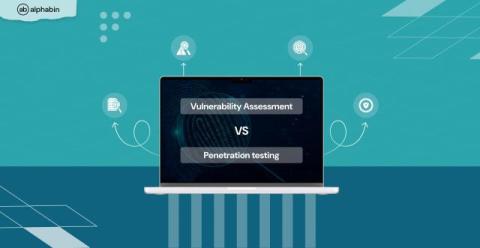
Vulnerability Assessment vs Penetration Testing: Key Differences

Cyber threats are getting smarter, and businesses need to stay one step ahead. That’s where Vulnerability Assessments (VA) and Penetration Testing (PT) come in. Both play a crucial role in cybersecurity, but they’re not the same thing. Consider it this way: a vulnerability assessment is similar to a regular health check-up—it identifies potential problems early.

Top 10 VAPT Testing Companies in USA

Security in the present fast-growing digital situation is not just a preference but a necessity that organizations cannot afford to compromise. As cyber threats like ransomware, phishing, and data breaches grow more sophisticated, businesses must adopt proactive measures to safeguard their digital infrastructure. One proven method?

Subdomain takeover: ignore this vulnerability at your peril

The Domain Name System (DNS) is often described as the address book of the Internet. A and AAAA records map a human-friendly hostname like honeybadger.io to some machine-friendly IP address like 104.198.14.52. Other types of DNS records also exist; in particular, CNAME records are records that map a hostname to some other hostname, thereby delegating IP resolution to the latter.

OWASP AI Security Project: Top 10 LLM Vulnerabilities Guide

Artificial intelligence (AI) is kind of a big deal. And when things are a big deal, they're ripe to be exploited. Fortunately, mounting concerns about AI security and privacy are met by plenty of guidance on best practices from the good folks in the open source world. The OWASP AI Security Project has emerged as a crucial initiative, offering developers clear, actionable guidance on designing, creating, testing, and procuring secure and privacy-preserving AI systems.

OWASP API Security Top 10: Mitigating Risks with Kong

The Open Web Application Security Project (OWASP for short) is a not-for-profit entity devoted to improving the security of software. Founded in 2001, OWASP is a global organization that supports thousands of volunteers globally to produce freely-available articles, documentation, tutorials, and tooling. OWASP is best known for its "Top 10" lists, which represent a broad consensus about the most critical security risks to web applications.

Vulnerability Scanning & 3rd-Party Modules Certification in N|Solid [8/10] The best APM for Node, layer by layer.

NCM —NodeSource Certified Modules— is the secure, reliable way to take advantage of the massive ecosystem of Node.js packages. Certified modules are compatible with Node LTS and monitored continuously to identify risk over time. Certification guarantees no security vulnerabilities or unverified code in modules or dependencies and is easy to set up and manage. No workflow changes are required.

Supplement API Security Testing with Functional API Testing and Integration Testing

The OWASP API Security Top 10 identifies the top API vulnerabilities that pose the greatest risk to mobile, web and SaaS applications as well as internal, partner and external API programs, highlighting which vulnerabilities must be detected and mitigated promptly. Gartner predicts that APIs that expose private information such as Personally Identifiable Information (PII) will be the most common attack vector in 2022.