Systems | Development | Analytics | API | Testing

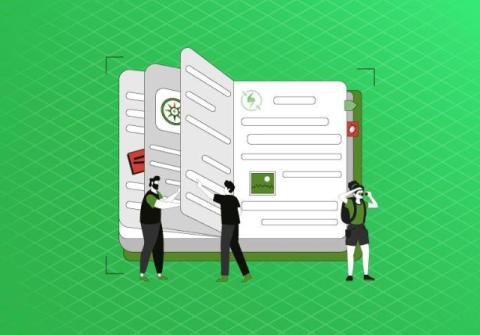
How To Write Test Cases? Detailed Guide With Examples

Test case is the backbone of any testing project. The art of software testing is to write the right test case. Firstly it’s not about how you write it, but rather what scenarios you are writing for. After that, we need to closely tie our test cases with test design and test execution. Let’s explore how to write test cases in the most strategic fashion.

Why It's Time to Update Your Embedded Analytics

After 20 years of dashboards, today’s line-of-business users expect more value from their analytics, and it’s up to your business to keep updated - or risk getting left behind. There was a time when product teams could purchase basic dashboards and data visualizations, and that was more than enough to satisfy the average user’s business intelligence (BI) and analytics needs. Today, however? Not so much.

Mastering Data Compliance: Tips, Strategies, and Best Practices

Data has become the lifeblood of businesses across all industries. With the exponential growth of data collection and processing, the importance of data compliance has skyrocketed. And navigating this complex business landscape is vital for any organization handling sensitive information. 5 key takeaways from this post on mastering data compliance are.

Practical Guide to Defect management in Software Testing

Defect management is the systematic process of detecting, documenting, and resolving defects within software applications. A defect refers to any flaw or deviation from the expected behavior, which can arise from coding errors, incorrect logic, incomplete implementations, or unforeseen interactions between software components.

Data Fabric: A Complete Guide | Architecture, Benefits & Implementation

Data fabric is an architecture that integrates different data systems and tools. It provides unified access to data stored across various locations to organize, manage, and govern it without moving it to a central database or data warehouse or changing its format. Data fabric relies on metadata to ‘understand’ the data’s structure, lineage, and meaning across various sources. This information enables informed decision-making and optimized data usage.

The Do's and Don'ts of Regression Testing

The modern-day SDLC methodologies such as agile, CI/CD, and DevOps are flexible enough to incorporate change requests in each sprint, which increases the probability of introducing errors in existing functionality. This makes validating existing functionality, detecting newly introduced bugs, and resolving them mandatory in each build release. Whether manual or automated, such software testing is widespread and referred to as regression testing.

Understanding the Differences: Smoke Testing vs Functional Testing

Quality and functionality are critical factors in software development. This is where testing methodologies like smoke testing and functional testing come into play. Smoke testing is a high-level, preliminary testing process to ensure that a software program’s most critical functions are working correctly. In contrast, functional testing is a more detailed and thorough testing process.