Systems | Development | Analytics | API | Testing

Amazon Bedrock Analytics Sources - Quick Demo (using Anthropic)

Amazon Bedrock is the name of the Amazon service that offers a single API to access foundation models provided by companies such as AI21, Amazon Titan, Anthropic and Cohere, from which you can build generative AI into your Qlik applications without writing any code. With generative AI, organizations can broaden insight and context while adding a variety of new and exciting capabilities directly in analytics apps, load scripts, and through app automations. The analytics connector constructs questions and our unique associative engine passes only relevant data related to those selections, in real-time, allowing users to get contextually relevant responses while minimizing cost and complexity. Automation connectors offer the ability for developers to send questions and receive responses and data sets as part of automation workflows.

Top 7 Free Apache Kafka Tutorials and Courses for Beginners in 2023

Stepping into the world of Apache Kafka® can feel a bit daunting at first. I know this firsthand—while I have a background in real-time messaging systems, shifting into Kafka’s terminology and concepts seemed dense and complex. There’s a wealth of information out there, and it’s sometimes difficult to find the best (and, ideally, free) resources.

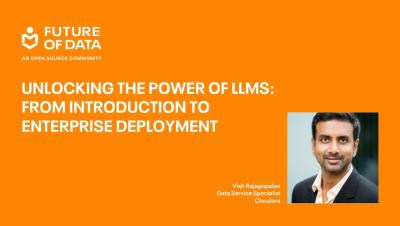
Unlocking the Power of LLMs | From Introduction to Enterprise Deployment #ai #llm

In today's rapidly evolving digital landscape, Large Language Models (LLMs) and Generative AI are emerging as transformative tools for enterprises. These innovations are not only changing how we interact with data but are also reshaping the very fabric of business operations. Unlike other public LLMs, what happens in your organization stays in your organization. But with great power comes great responsibility—and the need for in-depth understanding.

Exploring Swift Collections: In-Depth Guide to Arrays, Sets, and Dictionaries

In Swift there are 3 primary types of collections to store your data in a structured way, namely: In this article we aim to give you an overview of each. Specifically we want to show how they’re declared, illustrate the most common operations of each, provide comparisons between them where applicable and highlight the various performance considerations.

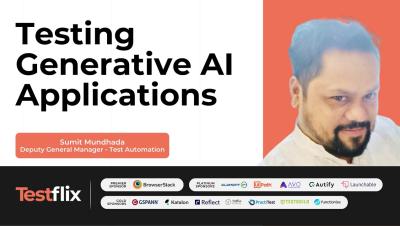
Testing Strategies for Generative AI Applications | Sumit Mundhada | #TestFlix 2023 #GenerativeAI

In this enlightening session, Sumit Mundhada explores the dynamic landscape of Generative AI applications, a powerful technology with immense potential across various business domains. With the rise of Largest Language Models (LLM), numerous innovative applications are emerging, presenting both opportunities and challenges. As businesses embrace this cutting-edge technology, it becomes imperative to understand the development process and implement effective testing strategies to ensure accuracy and an optimal customer experience.

Shaping the Future of Ruby and Kafka Together with rdkafka-ruby

Hello there! My name is Maciej Mensfeld, and some of you might recognize me from my involvement in RubyGems Security, OSS commitments, or perhaps from Karafka: a multi-threaded, efficient Kafka processing framework tailored for Ruby and Rails. While I generally pen my thoughts on my personal blog, today's post is unique. This article results from a collaborative effort with the brilliant people over at AppSignal. To set the record straight, I don't work for AppSignal.

Swift Closures Explained: A Comprehensive Guide for iOS Developers

Closures provide a powerful, flexible way for iOS developers to define and use functions in Swift, replacing the blocks used in its predecessor Objective-C. They provide self-contained modules of functionality that you can move around in your code, similar to the lambdas found in other programming languages. Crucially, closures can capture and store references to any constants and variables from the context in which they’re defined.