Systems | Development | Analytics | API | Testing

Run faster builds and deliver best-in-class apps with M2 Pro machines

Introducing M2 Pro machine types— the latest addition to Bitrise's Apple Silicon offering. Choosing the right Apple Silicon Machine is essential to delivering value to customers when developing, releasing, and managing iOS apps. We are proud to be one of the first companies to offer our customers access to the latest and greatest machine, the M2 Pro.

Real-Time Insurance Claims Processing With Confluent

The insurance industry has undergone a massive transformation over the last 20-30 years. Customer service and business processes that were once done on paper or over the phone are now completed via web and mobile experiences. As a result, manual paperwork and tasks have gradually become automated via software solutions. For the insurance customer, this transition has led to faster and more predictable experiences.

PHP 8.4 Property Hooks: Can we get rid of getters/setters now? A benchmark.

The upcoming PHP 8.4 release will include the brand-new feature “property hooks”, a mechanism to add logic to a class property when read from or written to. One benefit of this feature is that you do not need to protect property access with a private property and public getter/setter methods anymore. You can find out how this feature works in the RFC and other places, but in the spirit of this blog we want to focus solely on the performance implications.

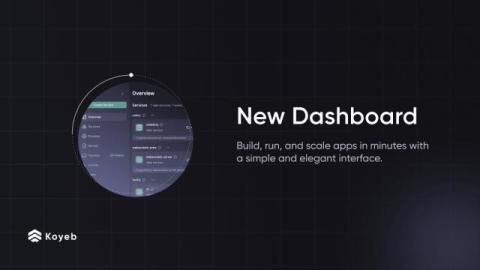
New Dashboard: Build, Run, and Scale Apps in Minutes with a Simple and Elegant Interface

Welcome to the first day of launch week #2! Today, we are excited to introduce our brand new control panel! Our mission at Koyeb is to offer the fastest way to deploy applications globally while delivering an exceptional developer experience. Over the past few months, we totally reimagined how to deliver a simple, reactive, and intuitive experience to deploy, manage, and scale projects to production.

Top Product Observability Tools to Boost Business Efficiency

As software systems grow more complex, ensuring reliable performance and delivering a seamless user experience becomes increasingly challenging. Product teams need the ability to track and analyze system behavior in real-time, allowing them to address issues before they affect users. Product observability offers a proactive approach, enabling teams to gather data, monitor system health, and make informed decisions based on a complete view of both infrastructure and user interactions.

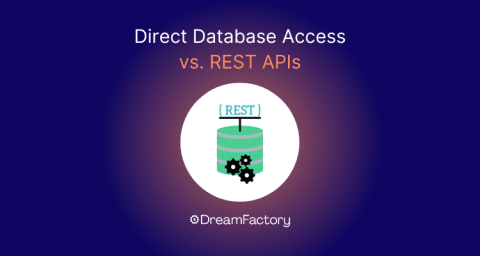
Direct Database Access vs. REST APIs: Compare Application Activity

When developers build applications, they need to think about how they will connect their products to data sources. Direct database access vs. REST APIs: which should you pick? Both currently stand out as two of the most popular options. Let’s explore the pros and cons of each so you can determine whether API-led connectivity serves your needs.

How to Fix TypeError: Cannot Read Property of Undefined in JavaScript

Imagine you're at a buffet, eagerly approaching what you think is the dessert table, only to find an empty space where the chocolate cake should be. That disappointing moment? That's pretty much what happens in your code when you encounter the infamous "Cannot read properties of undefined" error. Just as you can't slice a piece of cake that isn't there, JavaScript can't read a property of an object that doesn't exist. But don't worry!

Java Heap Space error and how Codemagic helps to remediate it

Overcoming issues related to Java Heap Space while building Android projects can be quite challenging and frustrating. Understanding the concept of heap memory in Java is crucial, as well as being aware of the available solutions. This article will provide a brief explanation of the reasons behind the occurrence of the Java Heap Space issue and present Codemagic’s recommended solutions for addressing it.

Integration Testing: Types, Processes, Examples & More

In the software testing life cycle, integration testing represents a pivotal phase in which each integration point is tested in the system. After thoroughly testing each unit and component individually, the next stage focuses on validating how these elements interact and integrate as a cohesive system. This phase, known as integration testing, ensures that all components work together and meet the overall system requirements.

Snowflake Strengthens Security with Default Multi-Factor Authentication and Stronger Password Policies

Snowflake has always been committed to helping customers protect their accounts and data. To further our commitment to protect against cybersecurity threats and to champion the advancement of industry standards for security, Snowflake recently signed the Cybersecurity and Infrastructure Security Agency (CISA) Secure By Design Pledge.