The growing field of precision medicine holds incredible promise for delivering better patient care and medical innovation, but there are barriers to greater implementation. As an emerging approach for disease treatment and prevention, precision medicine takes into account individual variability in genes, environment and lifestyle for each person. Its implementation has primarily been hastened by reducing sequencing costs.
Whether it's invoice processing or compliance management, it's likely that your organization grapples with numerous processes centered around documents. And for many, a relentless increase in document volume without an efficient way to process them has continued to challenge productivity. The manual handling of documents not only consumes time and effort but also introduces errors, which creates more costs.
When working with money in an application, ensuring everything is accounted for is important. In this post, we will explore some common methods and best practices of handling money in your Ruby app, and see how you can use money-rails to write maintainable money-handling code. Let's get started!
In the dynamic world of machine learning operations (MLOps), staying ahead of the curve is essential. That’s why we’re excited to announce the Cloudera Model Registry as generally available, a game-changer that’s set to transform the way you manage your machine learning models in production environments.
Follow this Fivetran formula to centralize scattered customer data and build a Customer 360.
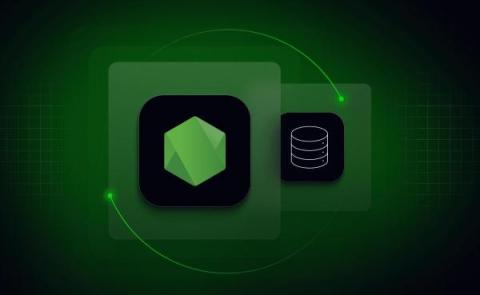
NodeJS is a JavaScript-based backend framework for web applications. It enables fast, scalable, and efficient development with high concurrency and data streams. Choosing the right database for NodeJS applications is a challenge for developers. A database should store and manage the data, handle the volume and velocity of data, provide the features and functionality you need, and be compatible, easy, secure, and reliable with NodeJS.