Systems | Development | Analytics | API | Testing

Cloudflare API Observability: 5 Metrics To Monitor

Building APIs is a fact of life for most modern developers. When we aren’t building them, we integrate them within our applications. Regardless of how you look at it, modern businesses are built on top of the foundation that APIs have built. They’re the bridges that allow different software systems to talk, share data, and work together seamlessly. But with great power comes great responsibility.

Operational Data Fabric: What IT Leaders Need to Know

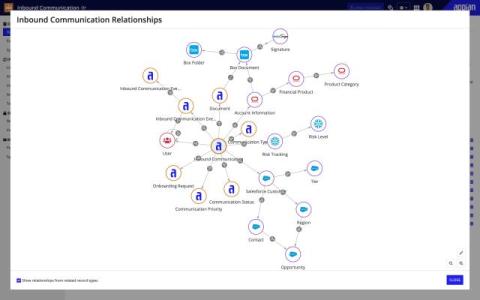
An operational data fabric focuses explicitly on integrating and managing disparate data in the context of operational systems and processes. It’s tailored to meet the needs of operational data management, often in real time or near real time, to support business operations. Let’s break down some key features of operational data fabric: To fully appreciate the transformative power of operational data fabric, it’s important to understand how it compares to data fabric.

Parsing CSV files in Ruby

Handling data in various formats is a common task in software, and CSV (Comma-Separated Values) files are among the most prevalent data formats you'll encounter. Whether for data migration, reporting, or simply importing and exporting data, processing CSV files efficiently is a necessary skill for any Ruby developer. In this article, we'll learn the practical aspects of parsing and handling CSV data using Ruby.

Integrating Ollama with a Ruby on Rails Application

Check out Scout Monitoring's ollama-rails GitHub repo for samples on how to use ollama-ai to communicate with Ollama. Large Language Models (LLMs) have emerged as a game-changer, enabling machines to understand, generate, and process human language with unprecedented accuracy and fluency. One such tool that has gained significant attention is Ollama, a cutting-edge platform that allows developers to run LLMs locally without relying on cloud services.

Enterprise Operational Intelligence Tips for IT Leaders

IT organizations serve the business. Their mission is to help optimize business operations to enhance performance across the enterprise and enable the organization to meet mission-critical goals. With the rapid pace of change, it’s critical to make smarter, faster decisions around business processes to generate a tangible, measurable impact.

Supply Chain Best Practices for Pharmaceutical Operations

Due to market pressures and disruptions, life sciences organizations need to reexamine their supply chain operations and how to more safely and efficiently bring products to market. However, deciding where to begin implementing change can be daunting. Here are some best practices for achieving streamlined end-to-end supply chain orchestration.

What Are Quality Gates?

Quality gates are just what they sound like: They ensure the delivery of high-quality software by serving as quality milestones (or “gates”) during various stages of the software development lifecycle (SDLC), preventing bad code from passing through. Here, we explain what are quality gates, how they work, and how to implement them using static analysis. Read along or jump ahead to the section that interests you most: Manage Your ci/cd pipeline with Static Analysis.

Six easy steps to adapt your App icons for Apple's new Dynamic Tinting Feature

At the latest WWDC, Apple unveiled an exciting new feature: dynamic tinting for app icons. This update calls for developers to adjust their app icons to support this functionality, ensuring a more visually consistent experience across iOS. This change is significant for maintaining a seamless user interface, allowing app icons to adapt to various system-wide themes, including dark mode, and providing a cohesive look throughout the operating system.

Improve Your Incident Case Management Process: 5 Strategies for Success

It’s 3 a.m., and your system just went down—again. That’s a nightmare scenario for any IT leader, whether due to a technical glitch or a security incident. This is exactly why incident case management matters. Think of it as air traffic control for your IT environment. Planes in the sky, tickets in the system—both must land safely. Incident case management is about tracking and managing those tickets—incidents—to ensure they get resolved swiftly.