
Systems | Development | Analytics | API | Testing

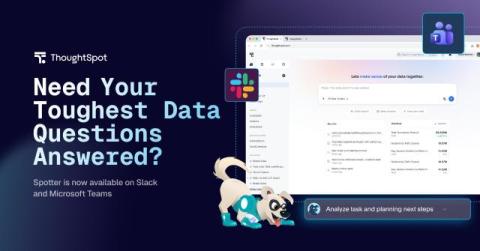
Spotter Is Now Available in Slack and Microsoft Teams

Let’s say a regional sales director posts a soft renewal number in the channel. A teammate asks the question that decides the plan: trend, or seasonal blip? Nobody in the thread can answer, so the thread does what threads do. It moves on, and the plan gets anchored to the most confident opinion in the room. The maddening part: the data existed. It was modeled, governed, correct, sitting in the warehouse the whole time. It's not a data problem; the answer was there.

The Security Domino Effect: Why Trust Can't Be an Afterthought in AI

In interconnected software environments, a security vulnerability rarely exists in isolation. A weakness in one component can expose credentials, create unintended access paths, or give attackers a foothold in connected services. The consequences depend on what that component can access, the permissions it holds, and the safeguards around it. As organizations adopt cloud platforms, third-party integrations, and AI-powered development tools, the boundaries between systems matter more than ever.

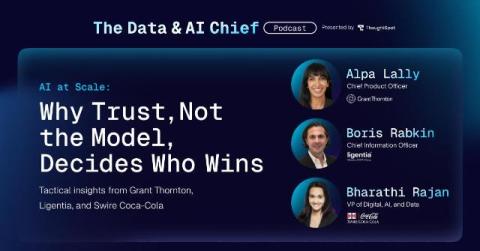
AI at Scale: Why Trust, Not the Model, Decides Who Wins

Every AI conversation eventually turns into a model conversation: which one is fastest, which one hallucinates least, which one your competitors are already using. Three recent episodes of The Data and AI Chief, hosted by ThoughtSpot's Chief Data and AI Strategy Officer Cindi Howson, make a different case entirely about what it takes to scale AI in the enterprise.

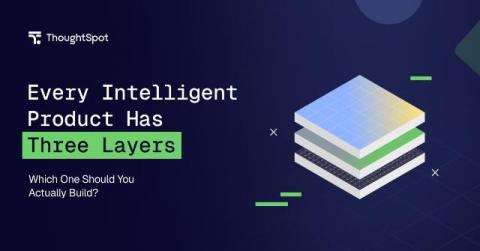
Introducing the Three-Layer Model for Intelligent Products

On a recent All-In podcast episode, David Friedberg described how his team at plant-breeding company Ohalo Genetics spent a weekend building an internal CRM using Claude Code, Cursor, and a handful of other AI coding tools. They stood it up, started using it, and it worked. Then the requests started. Can you add this feature? Can it sync with the tools we already use? What about access controls and data security?

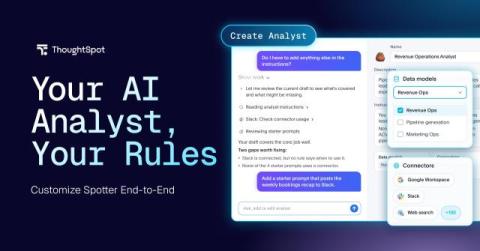
Build an AI Analyst Your Team, or Your Customers, Can Trust

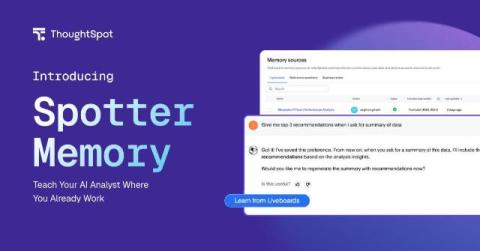
You can get an AI Analyst from most of the players, or you can try to build one yourself. Fewer let you decide what it knows, what it can touch, and who can use it. And even fewer still let you define what it won't do. You need all three before you hand one to a team or put one inside your product. In most of the product experiences, your AI analyst's context had two homes: one expert's head, or org-wide instructions.

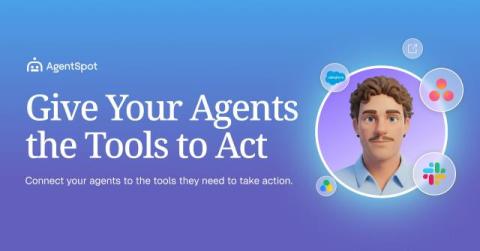
Why Your AI Agent Is Only As Good As the Tools It Can Reach

Imagine hiring the sharpest analyst you have ever met. They know the industry cold. They reason like nobody else on the team. They write like a Nobel laureate. Then you realize you never gave them a badge, a laptop, or a login to the CRM. And a week later, nothing has shipped. Every task still routes back through you, because the analyst can think but can’t touch anything. You’ve just hired a very expensive conversation partner. That is most people's experience with AI agents today.

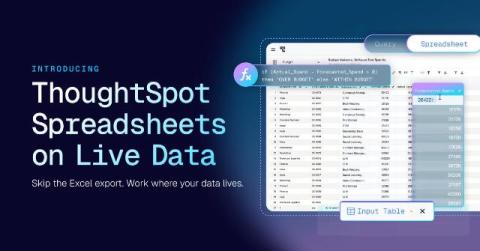
Introducing ThoughtSpot Spreadsheets on Live Data

Every analyst has a version of this “Monday blues.” A leader pings asking for the quarterly forecast, wants it broken out by region, and needs it for a call in thirty minutes. The fastest way to do this? Pull the data out of your tool, paste it into Excel, and build the report there. Thirty minutes later, you've got the report: three new formula columns, a pivot view summarizing the regional split, and conditional formatting flagging the outliers.

4 Signs Your AI has a Context Problem, Not a Model Problem

Most AI agents can write SQL. The problem is they write it against the wrong definition of revenue, for the wrong team, using the wrong business rules, and you won't catch that in a demo. Before you evaluate a single semantic layer vendor, there are four things worth getting right first. The semantic layer market has never been more crowded. Every major analytics vendor, data platform, and BI tool now claims to have one.

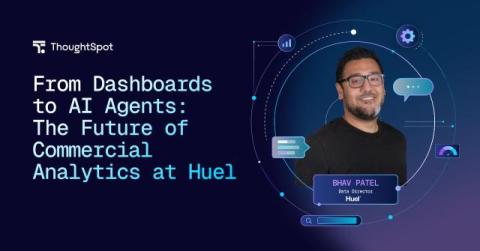
From Dashboards to AI Agents: Huel's Analytics Journey

You’ve rolled out a modern data stack, built self-service dashboards, and empowered your team to ask their own questions. Job done, right? Not quite. The data landscape is shifting rapidly beneath our feet, which makes it critical to understand how to build your AI for BI platform so you can scale and navigate technology evolutions.