Migrating From Turbolinks To Turbo
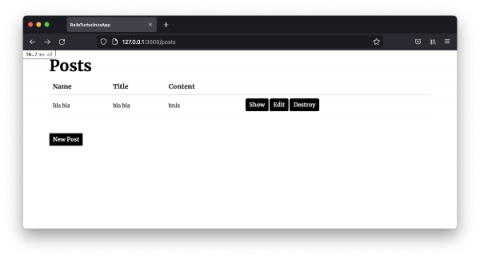
Turbolinks is no longer being developed. It's been superceeded by Turbo, which is part of Hotwire. In this article, Julio Sampaio shows us how to port our existing Turbolinks apps to Turbo.
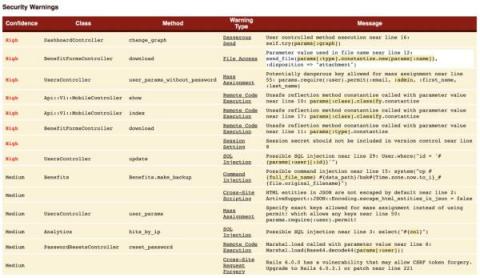
In the third and final article of our series on the OWASP Top 10 Web Application Security Risks, we’ll explore the lesser-known risks associated with the development of web applications on Rails when it comes to threats involving security misconfiguration, JSON escaping, etc.
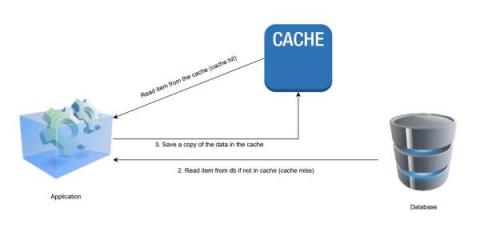
Caching is a common technique for making your applications faster. It lets you avoid slow operations by reusing previous results. In this article, Ayo Asaiah walks us through the different options for caching in NodeJS applications.
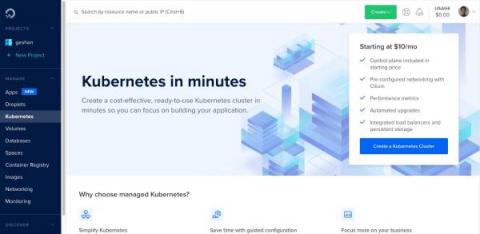
Kubernetes is a popular way to deploy web services and applications using containers. In this, the second of a two-part series, Geshan finishes his step-by-step tutorial for getting up and running with Rails and k8s.
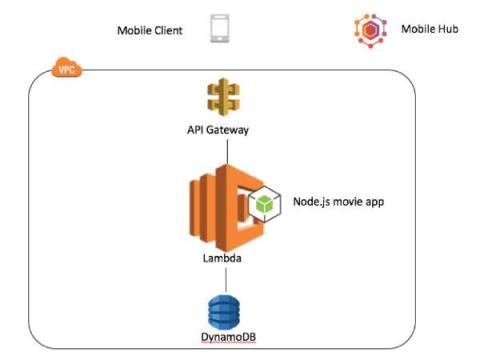
AWS Lambda lets you run your code without worrying about the nuts and bolts of server management or scaling. You might even say it's "serverless." In this article, Jeffrey Morhous shows us how to get started writing Lambda functions in Ruby.
It's not every day that you learn a new approach to error handling for Ruby. In this article, Abiodun walks us through a novel error-handling process called Railway Oriented Programming and shows us how to implement it with dry-rb's monads.
Kubernetes has become very popular in recent years as a way to deploy applications using containers. In this article, Geshan shows us how to get a Rails app up and running inside a local K8s cluster.
Google's Cloud Functions let developers run their code in production in a scalable way without worrying about the minutiae of server administration. In this article, Subomi shows walks us through building a real-world service using GCF.
OAuth2 is everywhere. From "Login With Facebook" buttons to back-end API authentication. But how does it work? In this article, Diogo Souza will give us a gentle introduction to the big concepts behind OAuth2, then walk us through implementing it in Node.js.
DynamoDB is a NoSQL database offered by AWS. It can be a great way to avoid adding load to your primary database when you need tens of thousands of reads/writes per second. In this article, Julie Kent walks us through the basics of using DynamoDB with Rails.