In the age of big data, where humans generate 2.5 quintillion bytes of data every single day, organizations like yours have the potential to harness more powerful analytics than ever before. But gathering, organizing, and sorting data still proves a challenge. Put simply, there's too much information and not enough context. The most popular commercial data warehouse solutions like Amazon Redshift say they deliver structured, usable data for businesses. But is this true?
At ThoughtSpot, we believe making data accessible to every knowledge worker requires human-centered technology—an analytics experience that bridges the “language” barrier between technology and people. AI is the perfect compliment to search because it empowers organizations to analyze, understand, and act on data.
In the realm of big data analytics, Hive has been a trusted companion for summarizing, querying, and analyzing huge and disparate datasets. But let’s face it, navigating the world of any SQL engine is a daunting task, and Hive is no exception. As a Hive user, you will find yourself wanting to go beyond surface-level analysis, and deep dive into the intricacies of how a Hive query is executed.
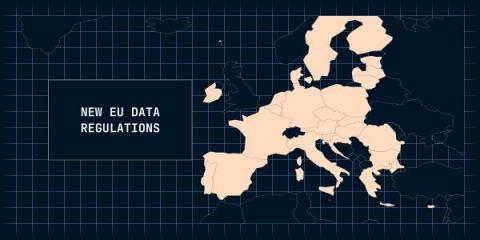
A recent decision by the European Commission should make data transit from the EU to the US simpler.
How to preprocess data using BigQuery ML so you can get better insights and models.