Systems | Development | Analytics | API | Testing

Using Chartio with Xplenty Part 1: Setting Up Your Pipelines

Xplenty provides features to efficiently extract, transform, and store data from various sources. Chartio provides Visual SQL features that let us explore and analyze data. Furthermore, it includes functionality to arrange charts and metrics in dashboards that can be shared. Both these tools can be used synergically. In this post, we will cover how you to configured Xplenty to use Chartio data. In a subsequent post, we will explain how to visualize the data provided by Xplenty in Chartio.

Cloudera wins Risk Markets Technology Award for Data Management Product of the year

Financial services institutions need the ability to analyze and act on massive volumes of data from diverse sources in order to monitor, model, and manage risk across the enterprise. They need a comprehensive data and analytics platform to model risk exposures on-demand. Cloudera is that platform. I am pleased to announce that Cloudera was just named the Risk Data Repository and Data Management Product of the Year in the Risk Markets Technology Awards 2021.

Augmented analytics: 3 key advantages for software vendors

Artificial intelligence (AI), automation and machine learning (ML) are rapidly transforming the analytical experience for everyday business users in 2021. Whether it’s automated visualizations, continuous analysis, or reduced time-to-insight, there are many practical benefits of augmented analytics that are well documented and fully realized today.

5 Lessons We Learned Validating Security Controls at Snowflake

You may have read about Snowflake’s IPO last year. But you probably didn’t hear about all the work that the Snowflake security team did in preparation. Our corporate security program went through a security analytics review to ensure that it satisfied the new security policy requirements resulting from the IPO. Here are a few lessons that we learned when setting up automated security control validation on our Snowflake security data lake.

Five Tips to Build a Successful Analytics Dashboard

Keep the bigger picture in mind as you build and use your analytics dashboards. Between devices, websites, applications, online service providers, and platforms of all kinds, modern businesses rarely have a single data source to analyze in our continuously connected world. That’s why how information is presented is almost as important as the quality of the information itself, making the difference between leading with confidence or simply flying blind.

High-Performance, Cost-Effective Move to Azure

Cloud migration may be the biggest challenge, and the biggest opportunity, facing IT departments today - especially if you use big data and streaming data technologies, such as Cloudera, Hadoop, Spark, and Kafka. In this 55-minute webinar, Unravel Data product marketer Floyd Smith and Solutions Engineering Director Chris Santiago describe how to move workloads to Azure HDInsights, Databricks, and other destinations on Azure, fast and at the lowest possible cost

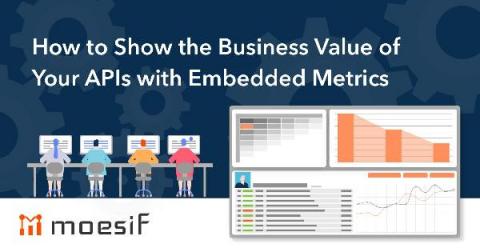
How to Show the Business Value of Your APIs with Embedded Metrics

When you’re providing APIs to your customers, you want to ensure they are getting value from them. At the same time, the best APIs are designed to be fully automated without requiring human intervention. This can leave your customers in the dark on whether your API is even being used by the organization and if you’re meeting any SLA obligations in your enterprise contracts.

Introducing real-time data integration for BigQuery with Cloud Data Fusion

Businesses today have a growing demand for real-time data integration, analysis, and action. More often than not, the valuable data driving these actions—transactional and operational data—is stored either on-prem or in public clouds in traditional relational databases that aren’t suitable for continuous analytics.

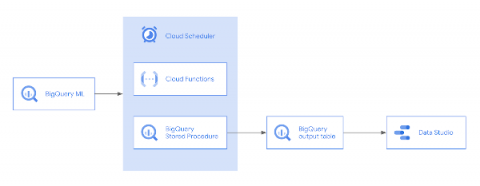
Continuous model evaluation with BigQuery ML, Stored Procedures, and Cloud Scheduler

Continuous evaluation—the process of ensuring a production machine learning model is still performing well on new data—is an essential part in any ML workflow. Performing continuous evaluation can help you catch model drift, a phenomenon that occurs when the data used to train your model no longer reflects the current environment.