Systems | Development | Analytics | API | Testing

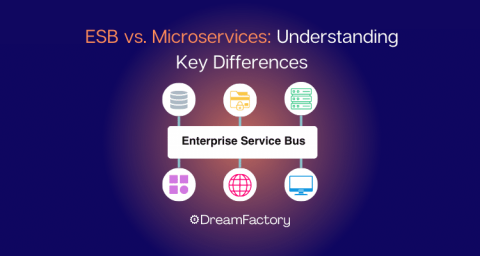
ESB vs. Microservices: Understanding Key Differences

Microservices are an approach to building applications that focuses on breaking down monolithic applications into independent, but loosely-connected “microservices.” ESBs and microservices are both architectural approaches for integrating applications, but they have different strengths and weaknesses. ESBs are better suited for integrating monolithic applications, while microservices are better suited for building scalable and resilient applications.

When to Use an API Proxy Over an API Gateway

The need for APIs has increased exponentially as the world becomes more technologically connected. Companies now look to how an API proxy can protect their data and create workflow efficiencies. But what are they, and why do you need one? Read on to discover more about API proxies, how they work, and whether you should use them in your business. The key takeaways from this article are.

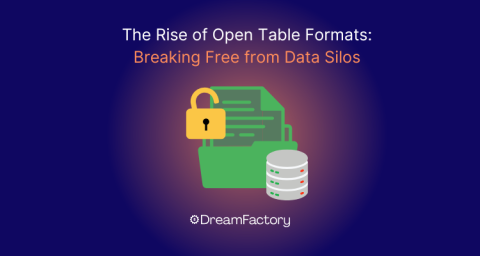
The Rise of Open Table Formats: Breaking Free from Data Silos

For years, data teams have struggled within proprietary ecosystems that prioritize vendor control over flexibility. Once a platform is chosen, switching becomes an expensive ordeal. Data formats, tightly coupled with specific tools, create rigid boundaries that make migrating workloads or integrating new technologies arduous. Moving datasets between systems often requires costly transformations and manual rewrites that consume time and resources.

API Security Checklist: Essential Controls for Enterprise APIs

APIs are the backbone of modern enterprise systems, but they also expose organizations to significant risks like data breaches and compliance failures. 85% of companies struggle to secure APIs, making robust API security essential. Here's a quick guide to protect your APIs effectively: Start by implementing basic safeguards like secure communication protocols, then move to advanced practices such as dynamic testing and centralized API management.

Breaking Down Silos: Using DreamFactory to Connect Your Legacy ERP to the Cloud

Integrating legacy ERP systems with cloud platforms is a critical step for businesses aiming to improve operational efficiency and data accessibility. APIs play a key role by providing secure, standardized communication between systems. DreamFactory simplifies this process by automating the creation of REST APIs for SQL Server-based ERP systems.

Should I Use an API Wrapper for SQL Server?

SQL Server is a cornerstone RDBMS for enterprise applications, handling transactional workloads, analytics, and complex querying. As modern architectures increasingly rely on APIs for data access—particularly in microservices, cloud-native systems, and third-party integrations—efficient exposure of SQL Server data has become essential. API wrappers simplify this process by automating the creation of RESTful endpoints for SQL Server, reducing the need for custom API development.

Connecting to Apache Iceberg with REST APIs

Managing and accessing massive datasets is increasingly challenging as the pace of data generation accelerates. Enterprises face growing difficulties in ensuring secure, scalable, and high-performance interaction with data systems while adapting to dynamic requirements. This blog explores how Apache Iceberg and DreamFactory address these issues.