Systems | Development | Analytics | API | Testing

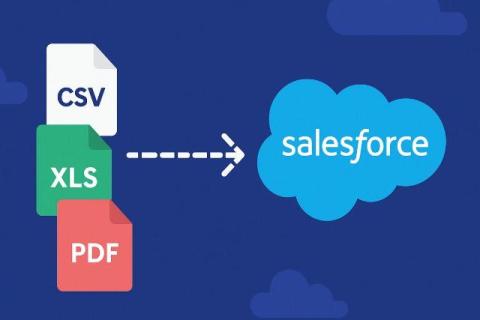
Salesforce Nonprofit Connector for Empowering Nonprofits

In today’s data-driven world, nonprofits need efficient ways to manage donor information and streamline their fundraising processes. Integrate.io’s latest feature enables organizations to extract, transform, and load data directly into the Salesforce Nonprofit Connector—specifically supporting key objects like Gift records. This advancement brings automation, accuracy, and scalability to nonprofit data operations.

Google Data Management: A Data Integration Perspective

Managing and integrating data efficiently is a critical requirement for businesses dealing with multi-source, real-time, and large-scale datasets. Google Data Management provides a scalable, cloud-native ecosystem designed for seamless data integration, transformation, and governance. This blog explores Google’s data integration solutions, including ETL/ELT pipelines, real-time data streaming, and AI-powered automation for enterprise-grade data workflows.

Databricks Data Management Demystified for 2025

In the modern data-driven landscape, enterprises require robust platforms to handle massive volumes of structured and unstructured data efficiently. Databricks, a unified analytics platform built on Apache Spark, has emerged as a leader in data management, offering high-performance computing, collaborative workspaces, and seamless integrations with cloud providers. In this blog, we explore how Databricks transforms data management, its core components, and best practices for optimizing data pipelines.

AI Data Management: Best Practices & Tools

Artificial Intelligence (AI) is transforming the way businesses manage, process, and analyze data. AI Data Management involves the use of machine learning (ML), automation, and intelligent data pipelines to enhance data storage, governance, integration, and security. As organizations deal with ever-growing datasets, AI-driven data management solutions ensure efficiency, scalability, and accuracy.

A Comprehensive Guide to Enterprise Data Strategy

In today's data-driven world, a robust enterprise data strategy (EDS) is essential for organizations aiming to leverage their data assets effectively. An EDS serves as a roadmap that outlines how data will be collected, organized, processed, and utilized to support business objectives. This blog delves into the key components of an enterprise data strategy, its significance, and best practices for implementation.

SQL for Data Engineering to Build Scalable Data Pipelines

Structured Query Language (SQL) remains the foundation of data engineering, enabling data analysts and professionals to design, build, and maintain scalable data pipelines. Despite the rise of modern technologies like Apache Spark and NoSQL databases, SQL’s declarative syntax and universal adoption make it indispensable in data engineering workflows.

Snowflake Data Transformation: Unlocking the Power of Cloud Data Processing

In the era of cloud data platforms, Snowflake has emerged as a market leader, revolutionizing the way businesses store, process, and analyze data. However, the true value of Snowflake lies not only in its cloud data warehousing capabilities but also in its robust data transformation features. These transformations are critical for turning raw data into actionable insights, fueling data-driven decisions.

Data Catalog- Streamlined Data Management for Data Analysts

How many times have you struggled to find the right dataset for an ETL job? Have you wasted hours verifying column definitions, data sources, or lineage before using the data? If so, you're not alone. For data analysts working with ETL pipelines and data integration, one of the biggest challenges is ensuring data discoverability, quality, and governance. A data catalog solves these challenges by providing a centralized repository of metadata, helping teams easily find, understand, and manage data assets.