Clive Humby stated, as far back as 2006, “data is the new oil.” The quote really took off following this 2017 report from The Economist. As a former chemical process engineer, oil immediately makes me think of refining it. Today’s analytics platform for the complete data lifecycle does the same for data as the refinery distillation columns does for crude oil: distilling value.
There’s a lot to track when training your ML models, and there’s no way around it; reviews and comparisons for best performance are virtually impossible without logging each experiment in detail. Yes, building models and experimenting with them is exciting work, but let’s agree that all that documentation can be laborious and error-prone – especially when you are essentially doing data entry grunt work, manually, using Excel spreadsheets.
We're happy to announce that we have just launched our improved integration for the Azure Event Hub, allowing DevOps & Security professionals to send log data for analysis easier than ever. This announcement comes as Microsoft’s Azure Event Hub reaches its highest global popularity as a data ingestion service. The integration ensures best-in-class performance across a variety of use cases using Azure.
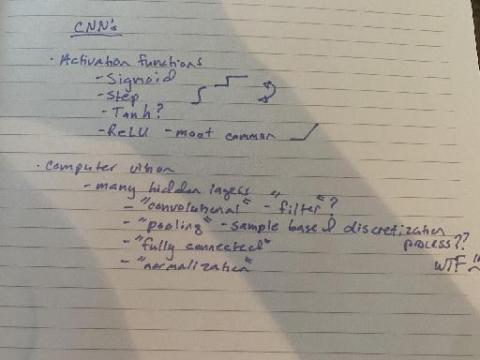
If you are a software engineer, there's a good chance that deep learning will inevitably become part of your job in the future. Even if you're not building the models that directly use CNNs, you might have to collaborate with data scientists or help business partners better understand what is going on under the hood. In this article, Julie Kent dives into the world of convolutional neural networks and explains it all in a not-so-scary way.
Some time ago, the concept of event streaming was not that widespread. In addition to that, the platforms provided were much fewer than today, and required more technical depth to set up and operate. However, as time passed, those platforms matured, community grew, the documentation was improved and the rest of the world started to wake up to the advantages these platforms can bring to address the real-time experiences businesses need. And Apache Pulsar is a great example.
Systems fail from time to time. And there is nothing worse than being unaware a system is down at all. Which is why we wrote the email alerts from Lenses.io tutorial. But what about those evenings where you are enjoying a documentary or just having an email-free evening? After all, system failures rarely happen at a magically convenient time.
In software testing, open-source tools have existed for quite a while and they will keep existing in the future. New testing frameworks and tools appear every single day, so how do you know what works best for you? Are commercial tools better than open-source alternatives or the other way around? There is no clear answer and “it depends” highly on your needs. Teams are unique and should use whatever tools they want in order to be more efficient, productive, and happy.