DreamFactory 4.11.0 has been released!
We’re happy to announce that DreamFactory version 4.11 has been released. With this release, we’ve added native support for MongoDB databases.


Exceptional customer experience is vital to building a successful business. A recent report from Forrester Research shows customer-obsessed companies reporting 2.5x higher revenue growth and 2.2x better customer retention. Application Programming Interfaces (APIs) play a key role in providing customers with stellar digital experiences.
Open banking is a natural evolution in the API economy. By laying the foundation for web platform and mobile developers to build third-party products and services using any number of public (open) APIs, banks, financial services and insurance companies are ushering in next-generation customer experiences that are more frictionless and personalized.
This is Part 1 of a three-part blog series that will dive into industry insights from technology leaders who are facing the next wave of digital innovation head-on. Today, we meet again at the cusp of the next frontier. This time, it’s Web3, the metaverse and boundless connectivity. Businesses everywhere are bracing for what’s next while preparing for the onslaught of new-wave digital experiences.
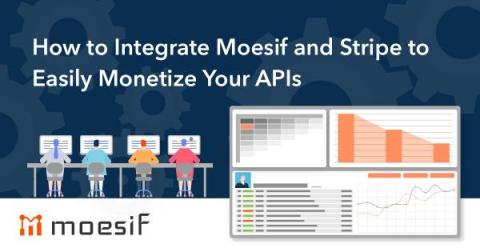
Once you decide to monetize your app or APIs, the journey begins to find a simple and robust solution for billing. At Moesif, we know that a billing solution is actually really tough to implement. Getting your product from “0-to-monetization” is not always a straightforward path, even if it should be. Our no-code approach to billing is a simple and elegant way to very rapidly gain the capability to bill customers for usage.
Speedscale is delighted to join the Google Cloud Partner Advantage program as a technology partner giving GCP customers the ability to stress test their GKE clusters under production-like workload conditions.