We collect the latest Development, Anaytics, API & Testing news from around the globe and deliver it direct to your inbox. One email per week, no spam.
Governments collect more data than any other type of entity on the planet, yet their ability to use data to serve citizens more effectively has always been limited. Regulatory compliance, budgetary constraints, reliance on legacy systems and internal resistance to change all play a role. That’s why when it comes to adopting new technologies, public agencies tend to lag behind the private sector by 18 to 24 months—and often longer.
Between soaring material costs and the impact of inflation, the construction industry has had to practice extra agility and resilience in recent years. Market upheaval, including skills shortages and supply chain disruptions have made financial reporting in the construction industry even more challenging. Manually exporting data into static spreadsheets adds another roadblock–when reports are manually exported or input, information grows stale quickly.
Many developers and enterprises looking to use machine learning (ML) to generate insights from data get bogged down by operational complexity. We have been making it easier and faster to build and manage ML models with Snowpark ML, the Python library and underlying infrastructure for end-to-end ML workflows in Snowflake.
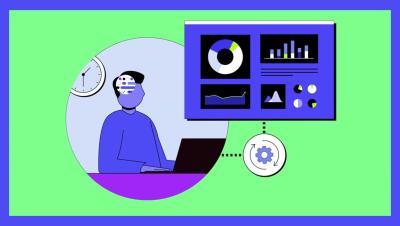
Yellowfin makes it possible to combine action-based dashboards, automated data discovery, and data storytelling into a single, integrated, seamless platform — right in your user’s core workflow. Watch this “Ask Me Anything” session for a walkthrough of the basics of building a dashboard along with some tips and tricks, followed by a Q&A session.
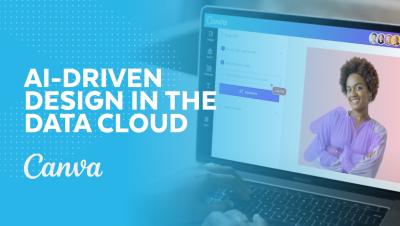
Launched in 2013, Canva is an online design and visual communication platform. As of today, the Canva platform is used by 170+ million users every month, across 190 countries and in over 100 languages, generating over 20 billion designs and still counting.
You will see how Qlik works where and how you work, whether you are on a computer or mobile device You will see how I use AI and conversational analytics to collaborate in real-time with my colleagues to get context to help me explore my business problem further and how I can take action on my findings immediately by notifying and integrating with my valued partners, all from one platform. I even use a little generative AI with Amazon Bedrock as a fun example to show you the art of the possible.
See how the collaboration of Snowflake and ThoughtSpot is paving the way for generative AI at unprecedented speed and scale, redefining the future of data-driven decision-making.