
Systems | Development | Analytics | API | Testing

Introduction to Automation Testing Services: What You Need to Know

Quality can feel elusive in this rapidly changing world of software development where applications are in constant flux. Quality can feel elusive in this rapidly changing world of software development where applications are in constant flux. Automation testing services make their way into the scene- a radical innovation that rationalizes the entire testing process: time and resources saved result in a better product delivered ultimately.


Web CI on Bitrise: Beta announcement

Mobile developers love using Bitrise, and we get it. But we also know your products and automation workflows extend beyond just mobile apps. That's why we're thrilled to announce Bitrise's expansion into web CI/CD! While in beta, this is your chance to help shape an industry-leading solution for your entire development process.

5 Advantages of Enterprise Intelligent Automation

3. Elevate risk governance to the next level. NatWest is the UK's leading business bank and second-largest retail mortgage provider. Lengthy change implementation processes hindered risk governance at the bank. Initiating change projects or launching products and applications meant navigating layers of policy checks and approvals, which could take up to 73 days.

Customer Service Case Management Software: What to Look For

Customer experiences matter. And many businesses struggle to improve them. More often than not, a bad process is to blame: manual tasks, data spread across too many systems, or even just old ad hoc workflows that linger on because that’s how it’s always been done. But the cost of ignoring these issues is high.

Improve Your Enterprise Risk Management Framework with Process Automation

The regulatory and business demands of financial services require teams to collaborate with consistency and accuracy—a difficult task when it comes to enterprise risk management (ERM). Business units often complete their risk management strategic objectives independently, and since each may have its own taxonomies and processes, human errors may go unnoticed, increasing potential risk.

Master the Craft: A Simple Step-by-Step Guide to Develop an API

This guide provides a streamlined approach to the API development process, detailing the essential phases from the initial concept to the realization of a fully operational API. You’ll discover how to plan, design, and implement your own API and ensure it’s reliable and secure. With practical insights and actionable advice, you’ll learn the nuances of API development, from understanding the needs of your users to creating a scalable infrastructure that can handle growth.

Mastering Good API Design Principles: The What, Why, and How

API design principles are models for building strong connections in a digital world where APIs bridge gaps between systems. This article strips down the complexity of API design to present you with the tried-and-true principles that ensure functionality, reliability, and ease of use. Learn to lay the foundations of a great API without the guesswork so you can focus on what truly matters: crafting an exceptional tool that seamlessly integrates and scales with technological demands.

With AI Writing Code, Will AI Replace Software Engineers?

Software developers have plenty to keep them awake at night. Their top concern is no longer how to express the latest algorithm in their favorite language (C, C++, Erlang, Java, etc.). Instead, it’s being replaced by artificial intelligence (AI). Here we take a look at the process for AI writing code and answer the question: Will AI replace programmers? Read along or jump ahead to the section that interests you the most.

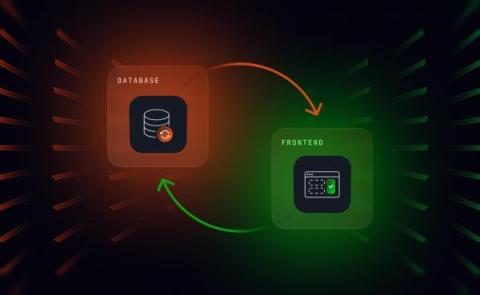
Reliably syncing database and frontend state: A realtime competitor analysis

Ably’s LiveSync product is now available as a public alpha release. LiveSync allows you to automatically keep data in sync across servers and clients, in realtime. This is a hard distributed systems problem. In this post, we’re going to have a look at four existing solutions to realtime data synchronization, the different technical designs, and the tradeoffs they make.