Systems | Development | Analytics | API | Testing

Chat and messaging application features: The complete guide for 2023

In the past decade, chat apps have gone from being a disruptive new technology to something we use every day. Today, WhatsApp boasts over 2 billion daily active users, by far the market leader, followed by WeChat with 1.3 billion and Facebook Messenger at just under 1 billion. Chat apps, put simply, are going nowhere. In that time, customers have come to expect a consistent experience across their chat apps – and a core set of functionality has evolved across all major providers.

A Beginner's Guide to API Data Formats: JSON, XML, Plain Text, and Binary

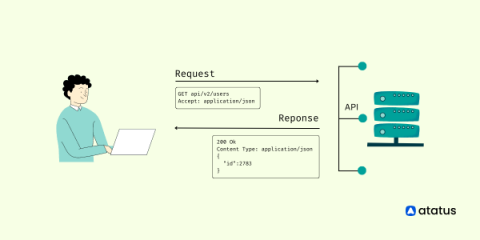
Imagine you are sending a message to your friend, but you want to ensure that no one else can understand it. So lets say you are encoding your message using a special language that only you and your friend knows. This way, even if someone intercepts the message, they won't be able to understand its true meaning. The encoded message itself is what we call the "payload." In the world of APIs (Application Programming Interfaces), the concept of a payload is quite similar.

Java Memory Leak: Decoding Myths

Java undoubtedly is one of the most used programming languages today. Not surprising if you yourself were trained in it. Over the years, it has gained a reputation for being both powerful and efficient. However, like any other language, Java has its share of challenges. And one of these is the problem of memory leaks, and fair enough, there are more myths surrounding it than ways to overcome it. But this blog is all about it.

A Step-by-step guide to creating production-ready APIs in Go with Gin and Gorm

Take your API development skills to the next level with Go, Gin, JWT, and Gorm. Follow this detailed step-by-step guide to create robust, secure, and production-ready APIs that harness the power of authentication, authorization, and database integration.

Why elasticity is essential for sports, media, and entertainment apps delivering realtime updates

Elasticity, as the term implies, is the ability for software infrastructure to stretch and shrink in line with fluctuating usage. Elasticity is important in many contexts – because usage can always fluctuate – but it’s especially important for sports, media, and entertainment apps, which frequently serve user bases that grow and shrink rapidly depending on events, trends, and breaking news.

The High Cost of Data Silos: 3 Telling Statistics

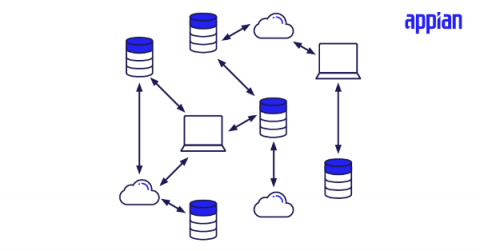
The effects of disconnected data are many: lack of data-driven decision making, inaccurate information, and slower processes, to name just a few. When you quantify the total cost of data silos, you’ll find that organizations have a lot to lose. While many data silo statistics predict a gloomy future where organizations struggle to unite their enterprise data, new approaches to data management, like data fabric, can help.

An Introduction to Metaprogramming in Ruby

You've heard of metaprogramming: code you write that generates other code dynamically. Without it, Rails as we know it wouldn't (and couldn't) exist. But there's a good chance you've never done it yourself, and it's not hard to see why; even a brief excursion into the realm of metaprogramming can leave you beset with strange and foreign methods, unfamiliar syntax, and downright mystifying blocks of code.

Working with APIs

We will be discussing how to work with APIs using WSO2 API Manager in this session. You will learn about Rate limiting policies which would help you to protect your API from exhaustion, how API Policies can help modify your requests and responses and how API versions and revisions can help maintain your API changes. You will also understand about the Lifecycle of APIs, how to perform testing and prototyping when required, how to specify access control and visibility and also about the inbuilt user roles which helps you carry out each of these functionalities easily in WSO2 API Manager.