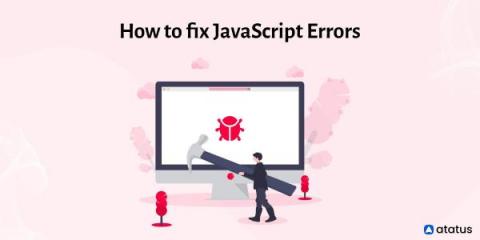
Even if we have a good project plan and a logical concept, we will spend the majority of our time correcting errors. Furthermore, our application can run without obvious errors with JavaScript, we must use various ways to ensure that everything is operating properly. The majority of JavaScript errors in our web applications will be eliminated if we understand both the syntax and how JavaScript works. Furthermore, numerous web services can help us in catching all of them.
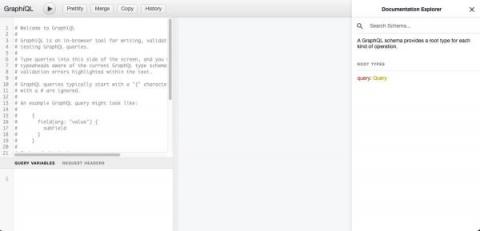
GraphQL is a solid alternative to a traditional REST API, and offering one to your users may be easier than you think. Follow along as Kevin Cunningham builds a GraphQL endpoint with Node.js and MongoDB!
p>The InputMismatchException is a runtime exception in Java that is thrown by a Scanner object to indicate that a retrieved token does not match the pattern for the expected type, or that the token is out of range for the expected type. Since InputMismatchException is an unchecked exception, it does not need to be declared in the throws clause of a method or constructor.
The java.awt.HeadlessException is a runtime exception in Java that occurs when code that is dependent on a keyboard, display or mouse is called in an environment that does not support a keyboard, display or mouse. Since HeadlessException is an unchecked exception, it does not need to be declared in the throws clause of a method or constructor.
To run Java applications optimally, the JVM divides memory into stack and heap memory. Whenever new variables and objects are declared, new methods are called or other similar operations are performed, the JVM designates memory to these operations from either the Stack Memory or Heap Space. Heap space is used for the dynamic memory allocation of Java objects and classes at runtime. New objects are always created in the heap space, and references to these objects are stored in the stack memory.
The claims stage is critical in the insurance customer lifecycle, acting as a moment of truth in the provider’s ability to serve the client as promised. Because it can often be an emotional experience for customers, insurers that value a seamless experience need to prioritize efficient and effective first notice of loss (FNOL) intake.
Picture this scenario: you are a Rails developer and have spent the last couple of days developing that awesome feature that everyone is waiting for. It's big and complex, but it went through rigorous testing, so you are confident everything works as it should. There are deadlines to meet, so you deploy. Immediately, all hell breaks loose. Your feature straight up breaks the entire app for some of your users. It's hard to say why. No bugs showed up during testing.