Community Roundup: May 1 - 15
Welcome back to another Community Roundup, folks. Hope you're all doing well, and that you're ready for some great tweets and articles — let's get started, shall we?


Welcome back to another Community Roundup, folks. Hope you're all doing well, and that you're ready for some great tweets and articles — let's get started, shall we?
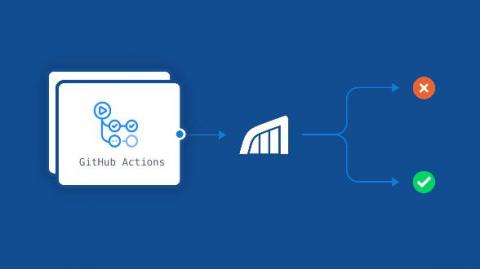
We’re excited to announce our support for GitHub Actions with our new Rollbar Deploy GitHub Action. Teams using GitHub Actions for building their CI/CD pipeline can now easily send deploy information to Rollbar and respond to any new errors quickly.
In today’s post, we’re going to demystify how the number of JavaScript dependencies grows while we’re working on a relatively simple project. Should you be worried about the number of dependencies? Keep in mind that this blog post is related to the Ride Down The JavaScript Dependency Hell blog post that was released a while back. We’ll show a “real-world” example of how a project’s dependencies can grow from zero to 13K.
Today’s release of Node.js integration supports PostgreSQL as well as all the consumers of the pg library.
If you haven’t checked out the first two part of our ‘Diagnostics in Node.js’ series, click here and the second part here. This is a 3-part blog series on Node.js. It is based on Colin Ihrig's talk at JSConf Colombia. Let’s begin! 🚀
We are thrilled to announce Bugfender’s new javascript SDK for the frontend, which applies the simplicity of our mobile SDKs to web applications. Bugfender JS has all the features that you already know from iOS and the Android SDKs, enabling you to: In this blog, we’re going to tell you how to access our new SDK, provide a quick overview of its benefits, and bring you up to speed with the evolution of the Bugfender project.
Running software uses computer memory for data structures and executable operations. How this memory is accessed and managed depends on the operating system and the programming language. Many modern programming languages manage memory for you, and Ruby is no different. Ruby manages memory usage using a garbage collector (also called gc). In this post, we’ll examine what you, a Ruby developer, need to know about Ruby’s gc. Use the links below to skip ahead in the tutorial.