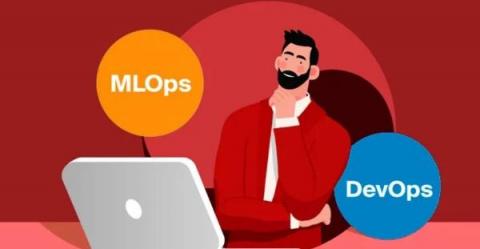
You got through all the hurdles getting the data you need; you worked hard training that model, and you are confident it will work. You just need to run it with a more extensive data set, more memory and maybe GPUs. And then...well. Running your code at scale and in an environment other than yours can be a nightmare. You have probably experienced this or read about it in the ML community. How frustrating is that? All your hard work and nothing to show for it.
As Halloween night quickly approaches, there is only one question on every kid’s mind: how can I maximize my candy haul this year with the best possible candy? This kind of question lends itself perfectly to data science approaches that enable quick and intuitive analysis of data across multiple sources.
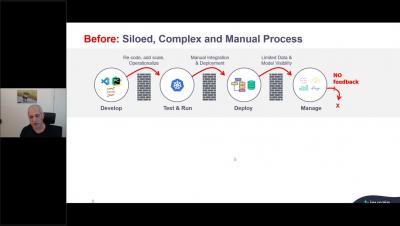
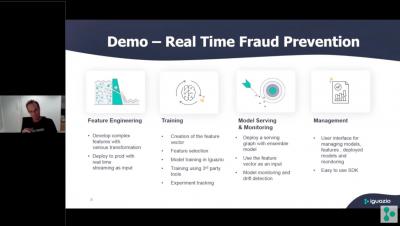
By Jean-Baptiste Thomas, Pure Storage & Yaron Haviv, Co-Founder & CTO of Iguazio You trained and built models using interactive tools over data samples, and are now working on building an application around them to bring tangible value to the business. However, a year later, you find that you have spent an endless amount time and resources, but your application is still not fully operational, or isn’t performing as well as it did in the lab. Don’t worry, you are not alone.
Quite often, the digital natives of the family — you — have to explain to the analog fans of the family what PDFs are, how to use a hashtag, a phone camera, or a remote. Imagine if you had to explain what machine learning is and how to use it. There’s no need to panic. Cloudera produced a series of ebooks — Production Machine Learning For Dummies, Apache NiFi For Dummies, and Apache Flink For Dummies (coming soon) — to help simplify even the most complex tech topics.
If you've ever wanted to discover more about Kaggle, the online community for machine learning students and data scientist practitioners then look no further than our expert-led guide to get an overview on all the basics you need to know about this amazing opportunity provider and competition organiser.