Systems | Development | Analytics | API | Testing

Streamlining COBRA Eligibility Data Management with Integrate.io

How much time does your company spend manually preparing file data? Imagine a world where managing COBRA eligibility data is as simple as a few clicks, where files in myriad formats seamlessly transform into a standardized, compliant structure without hours of manual labor. For companies and consultancies managing employee benefits, standardizing and processing data files is a critical, yet challenging task.

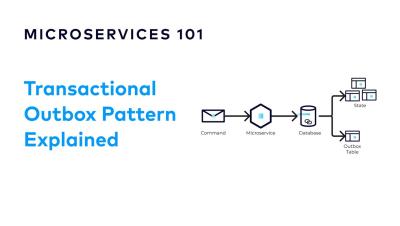
What is the Transactional Outbox Pattern? | Designing Event-Driven Microservices

The transactional outbox pattern leverages database transactions to update a microservice's state and an outbox table. Events in the outbox will be sent to an external messaging platform such as Apache Kafka. This technique is used to overcome the dual-write problem which occurs when you have to write data to two separate systems such as a database and Apache Kafka. The database transactions can be used to ensure atomic writes between the two tables. From there, a separate process can consume the outbox and update the external system as required.

Top 3 Data + AI Predictions for Manufacturing in 2024

Investment in AI for manufacturing is expected to grow by 57% by 2026. That’s hardly surprising — with AI’s ability to augment worker productivity, improve efficiency and drive innovation, its potential in manufacturing is vast. AI’s predictive capabilities can help manufacturing leaders anticipate market trends and make data-driven decisions, creating financial opportunities for suppliers as well as customers.

Accelerating Queries on Iceberg Tables with Materialized Views

This blog post describes support for materialized views for the Iceberg table format in Cloudera Data Warehouse. Apache Iceberg is a high-performance open table format for petabyte-scale analytic datasets. It has been designed and developed as an open community standard to ensure compatibility across languages and implementations.

How to Use Confluent for Kubernetes to Manage Resources Outside of Kubernetes

Apache Kafka® cluster administrators often need to solve problems like how to onboard new teams, manage resources like topics or connectors, and maintain permission control over these resources. In this post, we will demonstrate how to use Confluent for Kubernetes (CfK) to enable GitOps with a CI/CD pipeline and delegate resource creation to groups of people without distributing admin permission passwords to other people in the organization.