Systems | Development | Analytics | API | Testing

Database generated events: LiveSync's database connector vs CDC

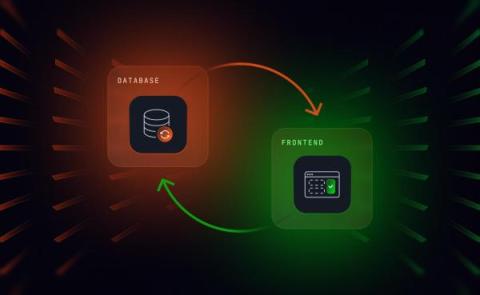
Ably LiveSync is a product we launched last month to help developers deliver live updates in their applications by automatically keeping their database and frontend clients in sync. LiveSync is made of two components, the Models SDK that runs on the client, and the database connector that listens to changes in your database and syncs those changes to your clients.

Creating an Oracle API in Minutes with DreamFactory

Handwriting code for database APIs can be a time consuming and expensive process that often exposes organizations to a variety of risks relating to quality, consistency, and developer effort. DreamFactory specialises in REST API generation for a range of databases that gives you the ability to generate a secure, fully documented API in minutes.

What is a database?

A database is a storage system that stores data in an organized manner for easy access and management. In just the last two years, 90% of the world’s data has been created, and the volume of global data doubles every two years. All this data is stored in databases. So, whether you’re checking the weather on your phone, making an online purchase, or even reading this blog, you’re accessing data stored in a database, highlighting their importance in modern data management.

What Is Database Schema? A Comprehensive Guide

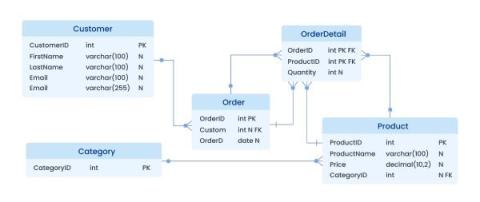
A database schema, or DB schema, is an abstract design representing how your data is stored in a database. Database schemas can be visually represented using schema diagrams, such as the one below: A database schema diagram visually describes the following: Database schemas are at the heart of every scalable, high-performance database. They’re the blueprint that defines how a database stores and organizes data, its components’ relationships, and its response to queries.

Reliably syncing database and frontend state: A realtime competitor analysis

Ably’s LiveSync product is now available as a public alpha release. LiveSync allows you to automatically keep data in sync across servers and clients, in realtime. This is a hard distributed systems problem. In this post, we’re going to have a look at four existing solutions to realtime data synchronization, the different technical designs, and the tradeoffs they make.

Direct API-Database Coupling vs. Multi-Layered Architectures

API-database coupling vs. traditional multi-layered architectures: what’s the difference and why does it matter? The main difference between direct API-database coupling and multi-layered architectures is that the former allows the API to interact directly with the database, minimizing latency and complexity, while the latter uses multiple layers to separate concerns.

Resolving Database Conflicts with Centralized APIs in Microservices

Back in the 2000s, code lived in one execution thread. Database queries, user interactions, and data pipelines were all managed by the same processes. The problem? Everything was interconnected and interdependent. Fixing one thing might break another. Releases were all or nothing. We call this monolith hell. Your ticket out? Microservices.