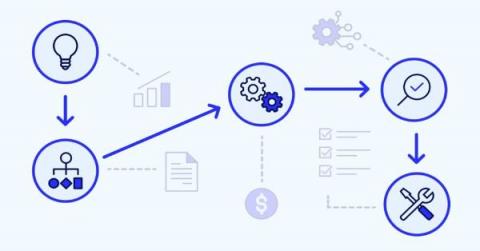
Process automation is a worthy goal for any organization. Automation unleashes human innovation, increases process effectiveness, and empowers your operations to adjust to change. But taking a pell-mell approach to automation will put these benefits at risk—you might actually create new inefficiencies you’ll have to rectify later. So before you get started with process automation, keep these five key things in mind.
With skyrocketing inflation and growing severity of weather-related losses, 2022 was a tough year for insurers. We were spot-on with our 2022 predictions—such as the need to improve the customer experience, increased adoption of connected underwriting, and the growing importance of ESG. While many of last year’s trends will continue into 2023, we have identified several emerging trends for this year.
To be good stewards of taxpayer dollars, state and local governments conduct market research and perform due diligence before purchasing a software solution. Commercial off-the-shelf (COTS) products are often positioned as offering the best price tag and the fastest deployment. However, the promise of a speedy installation often goes unmet.
Budget cuts. This dreaded term has become all too familiar in the modern economic climate. Whether cutting software spend, head count, and professional services, or optimizing supply chain, productivity, and organizational overhead, companies across the globe are trying to reduce inefficiency and waste. The savvy leader will agree that objective, data-driven decisions are the most likely to achieve desired business impact.
The term “Zero Trust” has become one of the most important concepts in the information security industry. An all-encompassing phrase for many modern security best practices, Zero Trust is a conceptual design philosophy focused on continuous authentication and authorization for each action a user takes within a session rather than verification that only occurs at the start of a session.
It began with the pandemic. Consumer spending shifted from experiences to goods, spiking demand. Ports clogged due to shutdowns. Factories operated at reduced capacities from sickness, lockdowns, or even infrastructure issues like rolling blackouts. But it didn’t end there. The ripple effects have continued. Supply chains continue facing upheavals, particularly with respect to inflated prices and global conflict like the war in Ukraine. This leaves supply chain professionals on shaky ground.
Managing a delivery team that supports any complex business requires aligning people and technology with the needs of your customers in order to deliver the software they need to run the business. Firms that operate within regulated environments like financial services, including capital markets also have to contend with external influence from regulatory partners—which can shape not only what you’re asked to do but also how you need to do it.