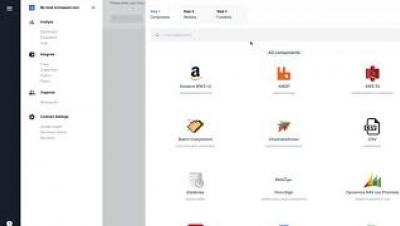
These days organizations commonly rely upon dozens of databases, applications, and third-party services for powering critical business infrastructure such as web and mobile applications, business analytics, and customer outreach initiatives. Examples of such indispensable technologies include Microsoft SQL Server, Salesforce, and Intercom.
When we consider performance testing most of the focus of the approach is placed on the script creation activity and making sure that requirements are covered, these are very important parts of your performance testing approach but so is the Test Execution. The frequency at which you run your tests is important and can save you time and effort in your script maintenance. A good performance testing execution strategy gives you the maximum amount of benefit it can by finding performance issues early.
2019 is almost over. The software testing landscape has seen numerous introductions in new testing approaches and innovations at an exponential rate. It has also witnessed the continuation of technological improvement, evolution, and reinvention. As we are progressing to 2020, let’s take a retrospective look at the top trends in test automation and see how we stand after one year.
Today, enterprises need to collect and analyze more and more data to drive greater business insight and improve customer experiences. To process this data, technology stacks have evolved to include cloud data warehouses and data lakes, big data processing, serverless computing, containers, machine learning, and more.