
Systems | Development | Analytics | API | Testing

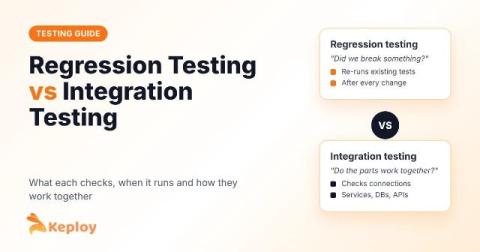
Regression Testing vs Integration Testing: Key Differences

Here is a situation most backend teams have lived through. A developer changes how the user service formats dates. It is a tiny change: one line, a cleaner ISO format, every unit test still green. The pull request gets approved in five minutes. Two days later, the billing service starts failing to generate invoices, because it was still expecting the old date format from the user service. Two kinds of testing could have caught that, and they are the subject of this post.
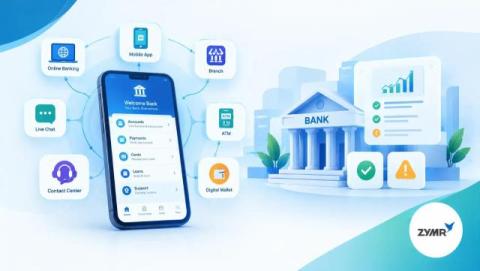
Benefits and Challenges of Omnichannel Banking for Financial Institutions (2026)

‍An omnichannel banking experience connects digital and physical interactions through shared customer information and workflows. It preserves application progress, service history, and relevant context as customers switch banking channels. For financial institutions, this continuity helps address fragmented service delivery and disconnected sales processes. Customers can progress between mobile applications, contact centers, and branches without restarting completed steps.

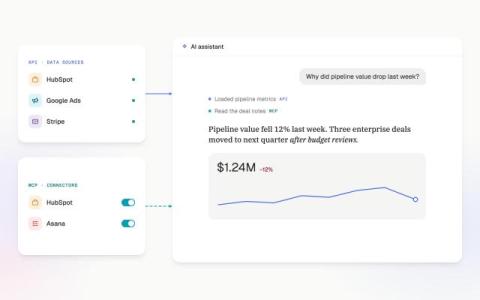
MCP vs. API: What's the difference for AI analysis?

Businesses have long used APIs to connect their software applications and exchange data. These connections power many of the tools companies rely on for reporting, allowing them to bring information from different systems into one place and keep their reports up to date. Now, AI assistants like ChatGPT and Claude can connect to those same business applications through MCP (Model Context Protocol), making it easier to access information and perform tasks using natural language.

Why did our pipeline drop? How to find the cause in your HubSpot deal notes with AI

Open pipeline drops when deals leave it (closed won, closed lost or pushed out of the period) or when fewer new deals come in. Your CRM dashboard shows which of those happened. The reason behind it sits in HubSpot, in the notes, emails and call logs on the deals themselves. To find it in one question, ask an AI analyst that can read both. With the HubSpot MCP connector, Genie, the Databox AI Analyst, traces the drop to the deals behind it and tells you what the reps wrote about them.

How to Measure the Impact of a Product Launch With AI and Your Notion Specs

To measure the impact of a product launch, grade it against the target written in its spec. Every launch spec names a metric, a target and a time window. Once the window closes, the launch either hit that target or missed it. Before then, it’s too early to call. The hard part is getting the target and the result into the same view, because the target lives in Notion and the result lives on your dashboard.

From Palette to Interface: Exploring Nodlume's Free Design Tools

Designing an interface means making decisions that need to work together. Colors establish emphasis, typography separates headings from supporting information, and spacing gives related elements room to form clear groups. A useful starting point is a small, reusable set of choices that you can test on a representative screen before applying them throughout a project.

Test and Mock GraphQL APIs Without Trusting the 200

Replay a GraphQL recording at the server that produced it, and every request comes back 200 OK. Here is one of those 200s, from a Session query whose recorded token has expired: A GraphQL server reports most failures inside a successful HTTP response, so any check that stops at the status code passes this request. And that is the second way GraphQL hides from URL-shaped tooling.

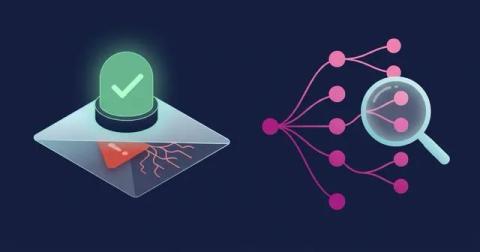
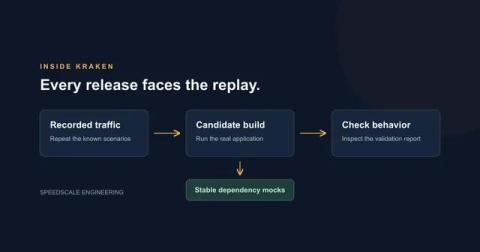
Inside Kraken: Regression Testing With Traffic Replay

A readiness check should make a release safer. During one release validation, ours kept Kraken’s traffic replays stuck in Initializing until they timed out. The operator was asking Kubernetes for EndpointSlices. Its installed permissions did not allow that request. The code needed a real cluster, the generated permissions, and a replay trying to start before that mistake became obvious. Kraken put those pieces together during release validation.

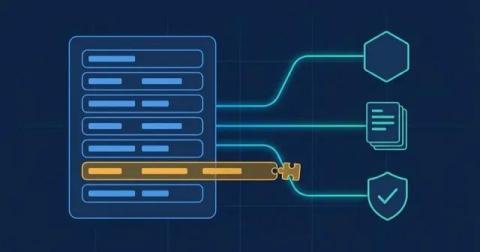
gRPC Mocks, Tests and Contract Checks From a .proto

Change one field in a.proto from double to string, and nothing complains. The code compiles, the deploy goes green, and a service still built from the old contract keeps answering with a double. Here’s what Go’s protobuf runtime does when a client on the new contract reads that answer: No error. risk_score comes back empty, and the nine bytes of the double are tucked away as unknown fields.

How Astera Uses ARIA: Data Migration

Moving the data is the easy part. Planning is where data migrations go wrong. Sudais (Growth Strategist) sits down with Nabeel Farooqui (Lead Software Engineer), to talk about how Astera uses ARIA on data migration projects, and what changes when you describe the goal to an agent instead of facing a blank canvas. Nabeel has run migrations with and without ARIA. He explains where projects usually go wrong, how ARIA handles the setup in Centerprise, how to validate the pipeline it builds, and the best practices he's learned along the way.