The latest News and Information on Software Testing and related technologies.
Smoke testing is the practice of running a small set of tests to ensure the basic functionalities of an application or website are working before moving on to other, more comprehensive types of software testing. For smoke testing to be the most effective, it needs to be completed very quickly so that developers can get fast feedback about the stability of the new build.
Previously, only a single baseline collection was allowed when scheduling test runs. This created situations where baseline images were marked as “missing” in different test suites that did not test the same application sections. With this update, users can now choose to use different baselines when scheduling a test run. You may view baseline collections as well as their captured images via the “Visual Testing” tab.
Hello Katalians! Our latest release of Katalon Studio (8.4.0) is now available, and comes with a set of features to make your testing experience even better by enhancing testing capacity, security, and user experience. Without further ado, let’s dive right into the details.
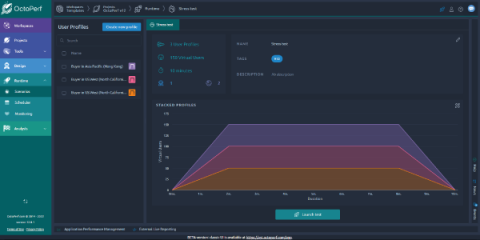
This article is the third in a series of overviews of our new UI. You can find the others here: This time we will dive into the changes we’ve made in the runtime phase.
Following on from our post on Cucumber and Gherkin Language Best Practices we have compiled a list of 15 expert suggestions to bear in mind when working with Cucumber. Following on from our previous post on 'Cucumber Best Practices,' we have compiled a list of 15 export suggestions to bear in mind when working with Gerkin language and Cucumber.
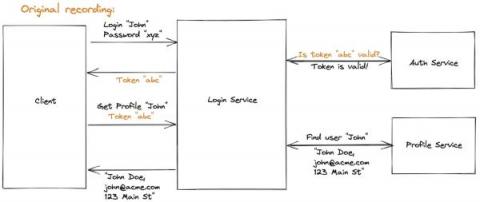
Nate Lee here, and I’m one of the founders of Speedscale. The founding team’s worked at several observability and testing companies like New Relic, Observe Inc, and iTKO over the last decade. Speedscale traffic replay was borne out of a frustration from reacting to problems (even if they were minor) that could have been prevented with better testing.
As many people are confused about the job titles and responsibilities of testing roles in the software development field, I hope to clarify these differences in this article.
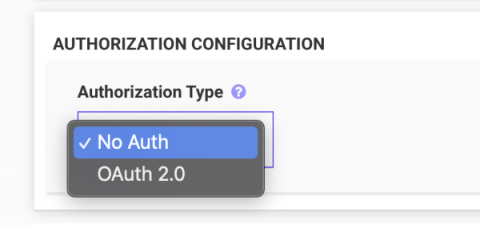
LoadFocus now provides easy testing for services that are using OAuth authorization (we support OAuth2.0 as OAuth1.0 was retired in 2012). We support all the OAuth 2.0 grant types: For testing a service that is behind a login (that has OAuth authorization) the only thing the user needs to do is: The call to the authorization server will be done only once before the performance testing of the API endpoints starts.