Systems | Development | Analytics | API | Testing

The top 5 software testing trends of 2023

This year, there are more commercial tools offering no-code and low-code test automation solutions, helping the testing community to worry less about the tech stack. As the testing industry evolves with many new principles and tools, testers should also continuously improve their skills in order to test their product more robustly.

From cash to crypto: the rise of digital payment methods

Money has been gradually digitized for decades, and the electronic transfer of funds is nothing new. But over the last five to ten years, internet technology and e-commerce have made digital payment methods the standard; these trends have sped up dramatically since the pandemic. Gen Z is leading the fray with near-total adoption and use of digital payments.

Benefits of a Public Cloud vs Private Cloud & Dedicated Devices

Most software projects leverage synthetic tests to verify functionality early on, but physical devices are the ultimate form of quality assurance. While a few smartphones may suffice early on, a growing user base means quality assurance teams must ensure support for a broad range of devices, operating systems, and browsers with public or private device clouds. Device clouds make it easier to manage devices and run automated tests from anywhere.

Moderna's Nathaniel Reynolds on Service Mesh, Open Source, and AI for Developers

In this post, Nathaniel Reynolds, Associate Director of Informatics Architecture & DevOps at Moderna Therapeutics, talks about service mesh, removing limitations with open source, and how AI helps developers do more. No one can predict the future, but here’s a safe bet: in the next five to ten years, we aren’t going to have fewer applications. We’re going to have more. And that means connectivity requirements are going to get bigger and bigger over time.

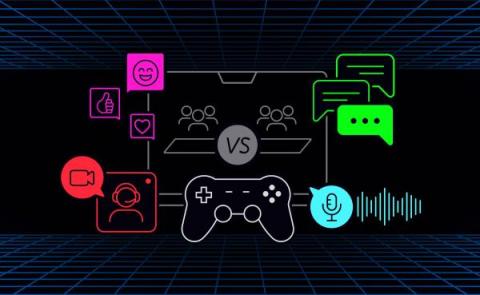
In-game chat: Eight key features and how to deliver them

With more than a billion players worldwide, online games are a significant cultural, social, and economic phenomenon. And while innovative gameplay gets people through the door, it’s the social aspect of online gaming that keeps them playing. That puts social functionality front and center when it comes to the difference between an ongoing hit and an expensive flash in the pan. And players are quite particular about how they want to engage with others.