Systems | Development | Analytics | API | Testing

How Retailers Modernize Operations and Reporting with the Snowflake Retail Data Cloud

A modern data infrastructure is essential for retailers looking to stay competitive today. Companies are abandoning more traditional, on-premises IT infrastructures and moving to more centralized “as a service” (XaaS) models of delivery enabled by cloud technologies, according to McKinsey. Aging on-premises infrastructures are unable to meet demands for agility and innovation, eating up too much time and too many resources for teams trying to maintain them.

Architecture in the Age of APIs

We’re entering an age where many organizations are trying to increase productivity by transforming themselves into digital organizations. Digital organizations are built on top of digital architectures that unlock agility across the enterprise. Agility, which is the ability to respond to changes and new needs fast, enables most of the other advantages such as shorter times to market, better customer experiences, and competitive advantages in the long run.

How Banks are Using Technologies to Help Underserved Communities

Financial inclusion, defined as the availability and accessibility of financial services to underserved communities, is a critical issue facing the banking industry today. According to the World Bank, 1.7 billion adults around the world do not have access to formal financial services, meaning that they cannot open a bank account or access credit, insurance, or other financial products.

How to Build E2E Tests with Cypress & BitBar

Software testing has become increasingly complex thanks to the twin threat of growing complexity and higher user expectations. Fortunately, testing tools continue to evolve, becoming easier to use, more feature-full, and offering better test coverage. Cypress is a prime example of these improvements in end-to-end testing. Let's look at what end-to-end testing involves and how you can use Cypress and BitBar to streamline the process.

Optimize Kubernetes Performance Part 1: Cluster Configurations

Kubernetes is a powerful platform that comes with many features to help engineers run their applications more efficiently. However, as you gain more experience and deploy more workloads, you’ll inevitably start looking for ways to optimize Kubernetes performance. There are many ways to approach optimization. On one hand, you could work exclusively with the tools and configurations provided by Kubernetes itself; on the other, you could reap the benefits of third-party tools.

Sanity testing, smoke testing, and regression testing comparison

While ‘Smoke Testing’, ‘Sanity Testing’, and ‘Regression Testing’ are widely practiced in the world of QA, there still exist some misinterpretations or misconceptions around these concepts. For your team to make the most optimal use of the 3 methods, this article will help you to understand and differentiate them from one another.

10 Ways to Reduce Test Automation Script Failure Rates

More than 70% of automation script failures are false and are caused by poor automation design practices. The False Failure Rate (FFR) is the percentage of tests that falsely fail when a test suite is run. It is calculated by dividing the number of false failures (failed tests that actually passed) by the total number of tests that were executed during a test run. Higher false failure rates increase testing and maintenance costs.

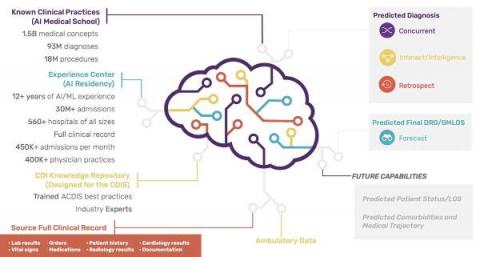
How Iodine Uses ClearML to Enable Better Healthcare Delivery

Improving patient care is right up there with the importance of optimizing the allocation and efficiency of precious resources when it comes to today’s healthcare. But that’s been difficult for people alone to accomplish, even with automation. The good news is that machine learning is now addressing these challenges and a company called Iodine Software is leading the innovation.