How Scania is Driving Logistical Efficiency and Sustainability with Big Data

Organizations in the transportation and manufacturing industries are applying Industrial IoT concepts and technology to transform product development, supply chains, and manufacturing operations. Scania is driving logistical efficiency and sustainability with big data. Scania is a world-leading provider of transport solutions and is leading the shift towards sustainable transport systems. In 2018 it delivered 88,000 trucks, 8,500 buses as well as 12,800 industrial and marine engines to customers.

The wild days of software have come to an end

It was easy to start a software company 15 years ago. There was a huge transformation from desktop to the cloud and that created an opportunity for any vendor to establish their place at the table offering cloud-based software. But it’s now more difficult to create new products that are significant and compete because we have mega-vendors in the cloud. The days of being able to bring a really significant product to market are over.

Introducing Apache Spark on Docker on top of Apache YARN with CDP DataCenter release

Bringing your own libraries to run a Spark job on a shared YARN cluster can be a huge pain. In the past, you had to install the dependencies independently on each host or use different Python package management softwares. Nowadays Docker provides a much simpler way of packaging and managing dependencies so users can easily share a cluster without running into each other, or waiting for central IT to install packages on every node.

From GDPR to CCPA, the right to data access is the achille's heel of data privacy compliance and customer trust - Part 1

In December 2019 we released the second edition of our data privacy benchmark, and this year again, results are shocking: 18 months after GDPR came into force, 58% of surveyed companies are not performing with data privacy. The issue relates to the right of access, which gives individuals the right to obtain a copy of their personal data.

Three Trends in Cloud Computing to Expect in 2020

A new year is upon us and that means it’s time to look ahead to what’s coming next. In cloud computing, organizations are going to be making adjustments in 2020 – to accommodate overstrained budgets, new regulations, and shifting technologies. It will be a year of identifying what’s not working and moving toward the right solutions. Let’s take a look at three trends that will impact cloud computing across all industries in the coming year.

The Key Principles of a Successful Time Series Forecasting System for Business

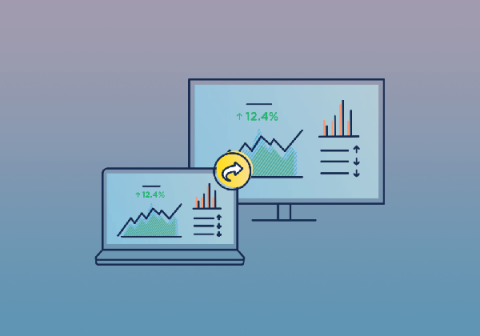
An emerging field of data science uses time series metrics to develop an educated estimate of future developments in business such as revenue, sales, and demand for resources and product deliverables. A forecast is based on historical data of a given metric plus other relevant factors. Accurate forecasts are an important aspect of corporate planning.

Data privacy hidden gems in Talend Component Palette: Part 2

Data Privacy is becoming the main buzz word in technical circles day by day. Sometime back, we thought that illegal gathering personal identifiable information from data servers can happen only in James Bond and Mission Impossible movies. But technology is changing quite rapidly and in this era of global virtual connectivity, customer private information is becoming more and more insecure. The news of customer data getting misused by data analytics companies, data theft from major banks, etc.