A Complete Guide to Sales Call Reporting: Benefits, Best Practices, and Ready-to-Use Templates
Leverage sales calls reports to get better insight into your prospects’ needs and use our templates to create the reports faster and easier.

Customer advocacy is one of the Snowflake Support team’s most important roles. Working closely with customers around the world every day, we listen and learn to gain meaningful insights into Snowflake products, the ways our customers use those products, and the challenges they face. We feel a deep responsibility to take those insights and trends, analyze them, and drive positive change on behalf of Snowflake customers.
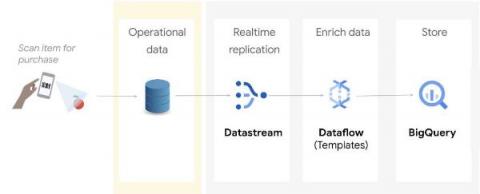
Relational databases are great at processing transactions, but they’re not designed to run analytics at scale. If you're a data engineer or a data analyst, you may want to continuously replicate your operational data into a data warehouse in real time, so you can make timely, data driven business decisions.
Deciding to adopt an AI-first strategy is the easy part. Figuring out how to implement it takes a little more effort. It requires a clear-eyed vision built around well-defined goals and a realistic execution plan. Being AI-first means setting up your organization for the future. By leveraging data, analytics, and automation, a company can gain a better understanding of where it is and where it needs to go.
Whether you work in a hospital, long-term care facility, clinical lab, or a HealthTech company, all workers in the healthcare sector today are focused on value-based care and cost efficiencies. For organizations intent on streamlining processes, an analytics tool is the logical next step. Undoubtedly, embedded analytics solutions deliver the best outcomes.