Inference Is the New Bottleneck: How to Plan GPU Capacity for Production AI

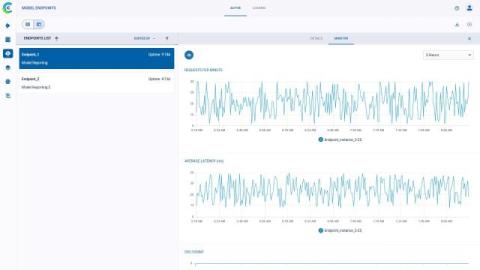
Most enterprises sized their AI infrastructure with a playbook written for training. However, training is no longer the typical workload. Inference now eats up roughly two-thirds of all AI compute, and it is changing shape fast enough that the rules of thumb from 18 months ago just do not hold. Our view at ClearML is pretty simple: when the workload shifts this much, the platform underneath it has to shift with it.

The First Deadline Nobody Warns You About

You are forty-eight hours into the role. The acquisition has closed. The press release went out. The operating partner has sent a congratulatory message and a list of reporting expectations. And somewhere in a credit agreement you are still reading, there is a covenant reporting deadline. It is in 45 days. It requires auditable numbers from a business you have not yet fully seen, running on systems you do not yet control, with a finance team you have not yet met.

Demo: Real-Time Context Engine for Fleet Management

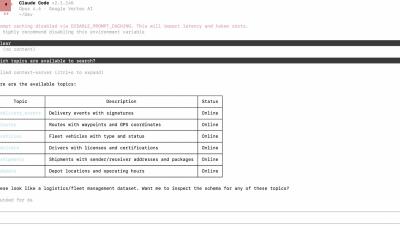
Use Real-Time Context Engine and Claude, or any MCP-compatible client, to explore operational data using natural language in real time. That includes everything from simple lookups to multi-step investigative questions like: Confluent’s Real-Time Context Engine gives AI agents live access to operational context as events happen across the business. Instead of relying on stale snapshots, agents can query and reason over continuously updated tables in real time.

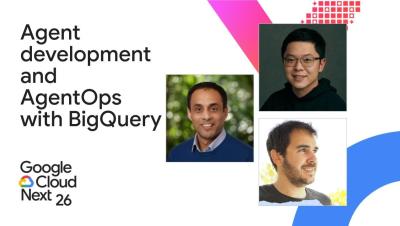
Agent development and AgentOps with BigQuery, ADK, and MCP

Join this session to learn about Agent Development Kit (ADK) and Model Context Protocol (MCP) integration methods that standardize how agents connect to your data while removing the need to build custom database connectors from scratch. Discover how to build agents with the ADK that accesses BigQuery for analysis, Google Maps for geospatial insights, and AlloyDB for transactions – all in a single workflow. Learn how to implement agent operations (AgentOps) for deep observability into both agent performance and cost with a single line of code.

Spotter Enhancements

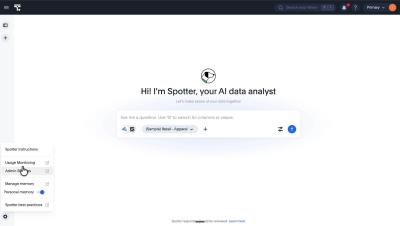
Spotter just got smarter and more in your control. You can now customize your agent's name, persona, output formatting, and guardrails to dictate exactly how it should (and shouldn't) handle data. Set it once, in plain language, and every user across the organization gets a configured, governed Spotter. Other new features include: Ad-hoc file analysis: Upload any flat file directly into Spotter and start asking questions instantly, solo or blended with your governed data.

New: Trusted data for the people and the AI making decisions on it

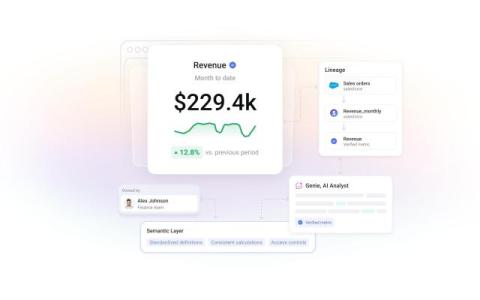
Ask three people in your company to pull the number of active customers this month, and you’ll probably get three different answers, even though each person labeled the metric the same way. One counts everyone who logged in, another counts only paying users, and a third filters down to a single plan tier. Nobody is wrong here. They’re all working from real data; they just never agreed on a single definition. Do that enough times, and the data itself becomes the thing everyone argues about.

How to Measure Embedded Analytics ROI for Busy End Users

Most analytics programs fail the ROI test for one simple reason: they measure dashboard output, not workflow impact. A team can ship reports, charts, and alerts, yet still miss the real question: does the analytics change what busy people do next? That is the core issue for embedded analytics ROI. How do we measure whether embedded analytics actually delivers business value for busy end users, frontline teams, and executives?

How Booking.com Scaled Agentic Analytics for Self-Service

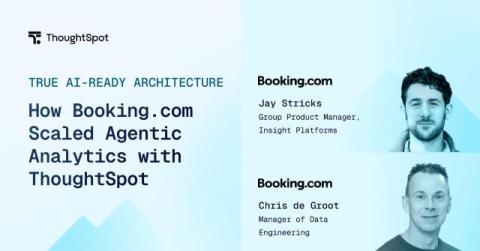
At Snowflake Summit '26, Chris de Groot, Manager of Data Engineering Customer Service, and Jay Stricks, Group Product Manager, Insights Platform, took the stage to share Booking.com's massive data transformation. In their session, "Booking.com's Data Travels: Platform Foundations to Agentic Analytics," they laid out a masterclass on how to make a colossal, fragmented data landscape entirely AI-ready.