
How Modern Web Platforms Are Transforming Petroleum Supply Chain Management
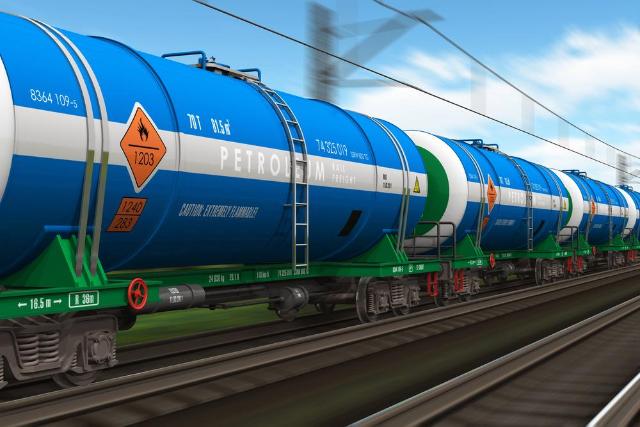
Image Source: depositphotos.com
Petroleum supply chains are among the most complex logistics environments in modern industry. Transporting crude oil, refined fuels, and other petroleum products requires coordination between suppliers, terminals, carriers, storage facilities, and commercial customers. Every stage involves operational constraints, strict safety requirements, and large volumes of information that must remain accurate and accessible.
Yet many energy businesses still manage critical activities through disconnected applications, spreadsheets, and manual communication. These fragmented workflows can delay deliveries, complicate inventory planning, and make it difficult to identify transportation inefficiencies.
Modern web platforms offer a more connected approach. By combining cloud infrastructure, real-time monitoring, and enterprise integrations, companies can manage logistics activities through centralized digital environments.
Custom petroleum logistics software can connect dispatching, shipment tracking, inventory management, and operational analytics around specific business requirements. Development teams such as Wezom build tailored applications that integrate with existing systems while supporting more efficient transportation and distribution workflows.
As petroleum logistics becomes increasingly data-driven, modern web technology is emerging as an important foundation for operational visibility, cost control, and long-term scalability.
Why Petroleum Supply Chains Need More Connected Technology
Petroleum logistics differs from conventional freight transportation because it involves specialized equipment, strict handling procedures, and complex coordination between multiple facilities.
A single fuel delivery may depend on product availability, terminal loading schedules, vehicle capacity, driver qualifications, and customer delivery windows.
When these activities are managed independently, even minor disruptions can affect the broader supply chain.
For example, a delayed terminal loading operation may create scheduling conflicts for several vehicles. Without real-time information, dispatchers may continue following outdated plans, increasing waiting times and transportation costs.
Disconnected systems also make it harder to maintain consistent records across departments.
Common operational challenges include:
- Limited visibility into shipment status and vehicle availability.
- Manual coordination between terminals, carriers, and customers.
- Inconsistent inventory and transportation information.
- Delayed reporting and administrative processing.
- Difficulty identifying recurring operational bottlenecks.
Modern web platforms address these problems by connecting information and workflows within a shared digital environment.
Rather than relying on isolated applications, logistics teams can access relevant operational data through centralized interfaces.
How Cloud-Based Platforms Improve Logistics Visibility
Cloud computing has become an important component of modern transportation technology.
Traditional logistics systems often depend on locally installed applications or infrastructure that can be difficult to access across multiple facilities.
Cloud-based platforms provide a more flexible environment for managing transportation information and coordinating geographically distributed operations.
Centralized Access to Operational Data
A cloud application can consolidate information from dispatching systems, vehicle tracking devices, terminal platforms, and inventory databases.
This gives authorized users access to current information without requiring separate reports from each department.
For example, a logistics manager may review active shipments, delayed deliveries, and terminal activity through a single dashboard.
Centralized visibility can reduce communication delays and improve coordination between teams.
However, successful implementation depends on reliable integrations and consistent data quality. A unified interface cannot compensate for inaccurate or outdated source information.
Supporting Distributed Operations
Petroleum companies may manage transportation activities across multiple depots, terminals, and regional offices.
Web-based systems allow employees to access relevant information through secure interfaces regardless of their physical location.
Dispatchers can update assignments, managers can review operational performance, and customer service teams can respond to delivery inquiries using the same underlying information.
This reduces dependence on local spreadsheets and fragmented communication channels.
Scaling Infrastructure with Business Growth
As transportation volumes increase, software platforms must accommodate more users, shipments, vehicles, and data.
Cloud infrastructure can support this expansion through flexible computing and storage resources.
Nevertheless, scalability requires appropriate application architecture, database design, and performance monitoring.
Businesses should also consider infrastructure costs, availability requirements, and recovery procedures when selecting a deployment model.
Real-Time Shipment Tracking and Intelligent Dispatching
Transportation visibility is one of the most valuable capabilities of connected petroleum logistics platforms.
GPS tracking and vehicle telematics can provide information about location, movement, and selected operational events.
When connected to dispatching software, this data becomes more useful for managing deliveries.
Improving Delivery Coordination
Dispatchers need to understand which vehicles are available, which shipments are in progress, and whether delivery schedules remain achievable.
A centralized system can combine these details with customer requirements and terminal information.
For example, if a vehicle experiences a significant delay, the platform can notify dispatchers and support adjustments to upcoming assignments.
This helps teams respond to disruptions before they affect additional deliveries.
Automating Routine Dispatching Tasks
Transportation planning often involves repetitive activities, including assigning vehicles, updating shipment statuses, and communicating schedule changes.
Automation can reduce the administrative workload associated with these tasks.
Useful capabilities include:
- Automated assignment recommendations based on vehicle availability.
- Digital dispatch instructions and driver notifications.
- Real-time shipment status updates.
- Estimated arrival times based on available tracking data.
- Electronic confirmation of loading and delivery.
- Alerts for selected delays or operational exceptions.
Automation should respect equipment compatibility, product handling requirements, and applicable transportation regulations.
For petroleum logistics, operational safety must remain a fundamental design consideration.
Connecting Inventory, Terminals, and Transportation
Petroleum distribution depends on accurate coordination between product availability and transportation capacity.
A delivery cannot proceed efficiently if the required product is unavailable, a loading facility is congested, or a suitable vehicle has not been assigned.
When inventory and transportation information exist in separate systems, these problems can be difficult to anticipate.
Custom petroleum logistics software can integrate inventory records, terminal management platforms, and dispatching applications.
This creates opportunities for more consistent planning.
|
Connected System |
Information Shared |
Operational Benefit |
|---|---|---|
|
Inventory management |
Product availability and stock levels |
Better delivery planning |
|
Terminal management |
Loading schedules and facility status |
Reduced scheduling conflicts |
|
Fleet tracking |
Vehicle location and availability |
Improved dispatch coordination |
|
ERP systems |
Orders, customers, and financial records |
Consistent business information |
|
Customer portals |
Shipment status and delivery documents |
Greater service transparency |
Improving Inventory Coordination
Integrated platforms can help planners compare customer orders with available inventory and scheduled replenishment.
This may reduce unnecessary transportation movements and improve delivery scheduling.
However, accurate inventory information requires dependable measurement systems and timely updates.
Reducing Terminal Waiting Times
Terminal congestion can increase transportation expenses through extended vehicle waiting periods.
When loading schedules and vehicle arrival information are connected, dispatchers can make more informed scheduling decisions.
The benefits depend on terminal operating procedures, data availability, and the degree of coordination between participating organizations.
Why Web Design Matters in Complex Logistics Applications
Modernizing petroleum logistics is not only a software engineering challenge.
User interface design plays an important role in whether employees can interpret information quickly and perform their responsibilities efficiently.
Logistics applications often display large amounts of operational data, including shipment schedules, vehicle locations, inventory records, and exception alerts.
Poorly designed dashboards can overwhelm users or make critical information difficult to identify.
Designing Around Operational Roles
Different employees need different information.
Dispatchers focus on active shipments, vehicle assignments, and schedule changes. Fleet managers need maintenance information and asset utilization metrics. Executives may prioritize transportation costs, service reliability, and financial performance.
Role-based dashboards help users concentrate on relevant tasks.
Effective interfaces typically emphasize:
- Clear visual hierarchy for important information.
- Consistent navigation and terminology.
- Readable tables, maps, and status indicators.
- Accessible alerts that distinguish routine updates from urgent issues.
- Responsive layouts for different devices.
Good UX design can reduce unnecessary interaction steps and support more consistent decision-making.
Supporting Mobile and Field Operations
Drivers and field personnel may need access to delivery instructions, documents, and status updates through mobile devices.
Responsive web applications or dedicated mobile interfaces can support these workflows.
However, field applications should also account for intermittent connectivity, limited screen space, and the need to minimize driver distraction.
Offline functionality and reliable synchronization may be necessary for certain operating environments.
Using Analytics to Improve Transportation Performance
Connected web platforms generate valuable operational data.
Shipment records, vehicle activity, terminal waiting times, and delivery confirmations can reveal patterns that are difficult to identify through manual reporting.
Business intelligence tools can transform this information into dashboards and performance reports.
For petroleum transportation companies, useful indicators include:
|
Performance Indicator |
Business Relevance |
|---|---|
|
Cost per delivery |
Measures transportation efficiency |
|
Vehicle utilization |
Evaluates productive fleet capacity |
|
Empty-mile percentage |
Identifies avoidable travel |
|
On-time delivery rate |
Tracks service reliability |
|
Terminal waiting time |
Reveals loading and scheduling inefficiencies |
|
Delivery processing time |
Measures administrative efficiency |
These metrics can help managers identify improvement opportunities.
For example, consistently high waiting times at a particular terminal may indicate a scheduling issue that requires further investigation.
Analytics can also support comparisons between regions, carriers, and operating periods.
However, data should be interpreted within its operational context. Lower transportation costs do not necessarily represent better performance if service quality or safety deteriorates.
Security and Compliance in Petroleum Logistics Platforms
Petroleum transportation systems handle commercially sensitive information, including shipment schedules, customer details, facility locations, and operational records.
Protecting this information is essential.
Cloud and web applications should incorporate security measures throughout their architecture.
Important controls include secure authentication, role-based access permissions, encrypted communication, audit logging, and appropriate backup procedures.
Organizations should also monitor integrations with external systems because connected applications introduce additional security dependencies.
Supporting Regulatory Requirements
Petroleum transportation is subject to regulations involving hazardous materials, vehicle operations, documentation, and environmental protection.
Software can help organize records, support reporting, and provide visibility into selected compliance activities.
However, regulatory obligations vary by jurisdiction, transportation mode, and product type.
A digital platform must be configured around applicable requirements and should not be treated as a substitute for professional compliance oversight.
Planning a Successful Digital Modernization Project
Replacing every existing logistics system simultaneously can introduce unnecessary cost and operational risk.
A phased modernization strategy is often more practical.
Businesses should begin by identifying the processes that create the greatest inefficiencies.
The implementation process may involve several stages:
- Assess existing workflows. Identify disconnected systems, manual activities, and recurring operational problems.
- Define measurable objectives. Establish targets for delivery reliability, administrative efficiency, or transportation costs.
- Prioritize integrations. Connect the systems that provide the greatest operational value.
- Develop essential functionality. Begin with high-impact capabilities such as dispatching and shipment visibility.
- Test with real users. Validate the platform with dispatchers, managers, and field personnel.
- Expand gradually. Introduce additional features after confirming operational reliability.
This approach allows organizations to modernize their technology while preserving continuity across critical transportation activities.
The Future of Web-Based Petroleum Logistics
Petroleum logistics platforms will continue evolving through advances in cloud computing, IoT, artificial intelligence, and predictive analytics.
Connected sensors may provide more detailed information about vehicle conditions, equipment performance, and selected cargo parameters.
Predictive models could help identify potential delivery disruptions or maintenance requirements.
More advanced planning tools may also support dynamic scheduling based on changing transportation conditions.
However, these capabilities depend on reliable data and well-designed integrations.
Companies that establish flexible digital architectures will be better prepared to adopt new technologies when they deliver measurable operational value.
Building a More Connected Petroleum Supply Chain
Modern web platforms are changing how petroleum companies coordinate transportation, inventory, terminals, and customer deliveries.
By connecting operational information through centralized applications, businesses can improve visibility, reduce manual work, and respond more effectively to disruptions.
Cloud infrastructure, intuitive interfaces, real-time tracking, and enterprise integrations provide the technical foundation for these improvements.
Yet successful modernization requires more than adopting new software. Organizations must define clear business objectives, maintain reliable data, and design workflows around real operational requirements.
For petroleum logistics companies, the long-term opportunity lies in building connected digital systems that improve efficiency while supporting the safety, reliability, and scalability of complex energy supply chains.