Systems | Development | Analytics | API | Testing

Snowflake's New Engine and Platform Announcements

Snowflake’s Data Cloud is powered by a single engine. From day 1, we have been focusing on consistently evolving and improving this engine to allow existing workloads to run more efficiently and enable new workloads to run on Snowflake. The single engine approach translates into a single experience—from one consistent pricing model to an integrated approach combining performance, security, governance, and the foundation to seamlessly enable cross-region or cross-cloud scenarios.

Announcing Katalon AI Visual Testing GA & TestOps July 2022 Release

Over the past few months, we have slowly rolled out and enhanced our AI Visual Testing solution during the trial period. This month we are proud to announce the general availability (GA) of Katalon AI Visual Testing that includes additional enhancements. The following reviews all the combined AI Visual Testing features in the GA.

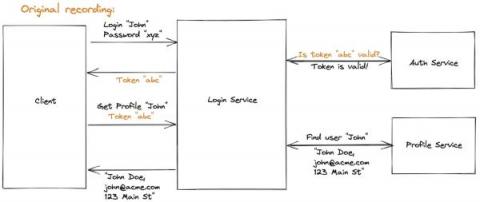
Speedscale Traffic Replay is now v1.0

Nate Lee here, and I’m one of the founders of Speedscale. The founding team’s worked at several observability and testing companies like New Relic, Observe Inc, and iTKO over the last decade. Speedscale traffic replay was borne out of a frustration from reacting to problems (even if they were minor) that could have been prevented with better testing.

Kuma 1.7.0 and Kong Mesh 1.8.0 Released with Builtin Gateway for Cross-Mesh Communication, ARM Support, cert-manger, and More!

We’re excited to announce the latest release for both Kuma and Kong Mesh. This cycle, we focused on simplifying enterprise-wide mesh deployments. We strongly suggest upgrading, in order to take advantage of the latest and greatest when it comes to service mesh.

Introducing Unistore, Snowflake's New Workload for Transactional and Analytical Data

Snowflake has once again transformed data management and data analytics with our newest workload—Unistore. For decades, transactional and analytical data have remained separate, significantly limiting how fast organizations could evolve their businesses. With Unistore, organizations can use a single, unified data set to develop and deploy applications, and analyze both transactional and analytical data together in near-real time.