Systems | Development | Analytics | API | Testing

ETL Testing: What, Why, and How to Get Started

Companies use their data to accelerate business growth and overtake their competitors. To achieve this, they invest a lot in their ETL (extract-transform-load) operations, which take raw data and transform it into actionable information. It’s no wonder, then, that ETL testing is a crucial part of a well-functioning ETL process, since the ETL process generates mission-critical data.

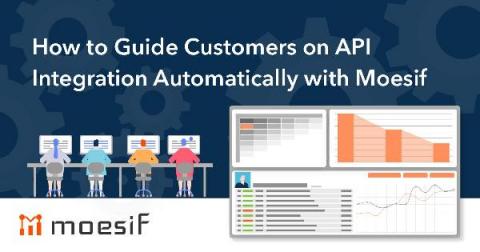
How to Guide Customers on API Integration Automatically with Moesif

You have an API program that developers are adopting; Customers have signed up, but some haven’t integrated yet; Of those that have integrated, a few got stuck early on and went silent; Ideally, you’d like to help both sets of customers move through the developer funnel. Moesif can act a catalyst for your developers, proactively informing them of integration issues before frustration sets in and they give up. Ensure they have a good experience – unblock your customers ASAP.

How to Incorporate Facebook OAuth 2.0

There is no debate that the advent of OAuth 2.0 made the lives of developers everywhere better. OAuth 2.0 makes adding an authentication system to your app or web page became considerably easy. Many different service providers support the OAuth 2.0 spec and, in turn, so does DreamFactory. Below are the supported OAuth services DreamFactory which are supported natively.

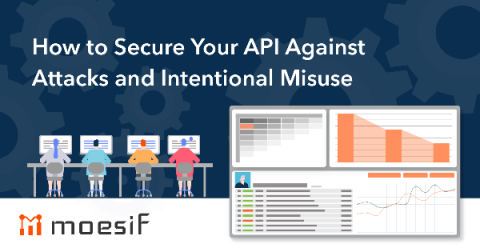
How to Secure Your API Against Attacks and Intentional Misuse

Hiring a New York or Menlo Park white-shoe law firm to write your app’s Terms of Service (ToS) might bring peace of mind, but how do you ensure that your expensive rules are actually adhered to. Just like the pervasive abuse of customer review guidelines in B2C companies, B2B companies also suffer from multiple/unverified review problems. Similarly, by their design, APIs are also vulnerable to misuse by bad actors, but this time through brute force attacks.

How Containerized Applications Increase Speed & Efficiency

Most modern applications today are being designed as a set of microservices with each service running as an independent application. This simply implies that one large application is broken down into small Apps running independently and only communicating with each other. This of course makes it much easier to build and maintain Apps but also offers way more value when combined with containerization technology.