Systems | Development | Analytics | API | Testing

Introducing KIP-848: The Next Generation of the Consumer Rebalance Protocol

The consumer group is a cornerstone of Apache Kafka, enabling scalable and fault-tolerant data consumption by allowing multiple consumer instances to share the workload of reading from topic partitions. The consumer rebalance protocol is the mechanism that coordinates which partitions are assigned to which consumers within a group.

Leveraging Cortex AISQL For Multi-Modal Analytics

Snowflake's Senior Product Manager Renee Huang demonstrates how to leverage Snowflake's powerful Cortex AISQL functions for advanced analytics on unstructured and structured data. Her demonstration includes a look at how to use functions such as AI_AGG, AI_CLASSIFY, AI_COMPLETE, and AI_FILTER on your data to accelerate insights. For more information, check out this blog post.

Talk To Your Data: Snowflake Intelligence Demo

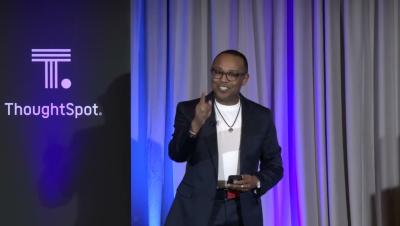
Unlock instant insights from ALL your data using agentic AI. In this demo, Snowflake's Director of Product Management Jeff Hollan shows how Snowflake Intelligence lets anyone in your enterprise use natural language to talk to data – structured, unstructured, and external. See how agents help you understand what happened and why, and even enable you to take action. Transform your data experience with Snowflake Intelligence. Easy, Connected, Trusted.

Pipeline Data for Fueling Analytics, & Business Strategy

In modern data architecture, it’s tempting to focus on flashy dashboards, real-time data AI models, or the scalability of cloud warehouses. But these are only as good as the fuel behind them: pipeline data. This post unpacks what pipeline data really is, why it matters, how it moves through your architecture, and what to do to protect and optimize its value.

Data Integration Architecture: Blueprint for Insights

In today’s fragmented and high-velocity data environment, data integration architecture is not just a technical framework—it’s a strategic imperative. As businesses increasingly rely on insights drawn from multiple systems, the need for a robust and scalable architecture that governs how data is collected, processed, and delivered has never been greater.

The 5 Levels of Data User Sophistication We See in the Market

At Integrate.io, we work with hundreds of companies, primarily midmarket and enterprise organizations ranging from agile RevOps teams to global enterprises with complex, multisource data ecosystems. Across these engagements, we’ve noticed something consistent: the way people work with data tends to fall into a handful of distinct, predictable levels. It’s not about company size, tech stack, or vertical.

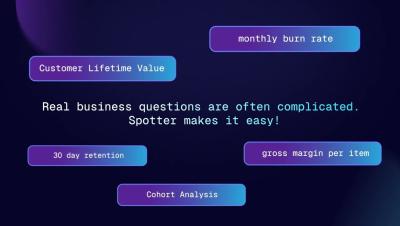
Introducing the Agentic Semantic Layer: A New Standard for Data Foundations

For data analysts and engineers, the journey from raw data to actionable business insights for business users is never as simple as it sounds. The semantic layer is a critical component in this process, serving as the bridge between complex data sources and the business logic required for informed decision-making. However, not all semantic layers are created equal, and the evolving landscape of AI-powered analytics demands a new approach.

AI initiatives and obstacles: How to stay competitive

By failing to adopt AI and modern data strategies, companies risk falling behind. According to Informa TechTarget’s Enterprise Strategy Group (ESG), 86% of enterprise-class organizations are planning to invest at least $1 million in data and AI initiatives. To help your business keep up, in this video ESG’s Practice Director for Data Management, Analytics & AI, Michael Leone, explores how to build a trusted data foundation, the biggest data challenges faced by companies, and much more.