Systems | Development | Analytics | API | Testing

GraphQL Versus RESTAPI Which is Better for API Observability

API providers need to observe their APIs to get meaningful data about whether and how they are consumed in practice. API observability is a form of monitoring that passively logs API traffic to an observability service. Different from traditional API monitoring, with API observability you: Monitor interactions to improve developer experience Understand how customers use your API Troubleshoot your API Observing REST APIs is well understood and supported, but not every API is a REST API.

Managing Cloud Service Logs: Why It's Difficult and How to Simplify It

Logs are one of the three key “pillars” of observability, and cloud environments are no exception. You can’t know what’s happening in your cloud without analyzing cloud service logs, which allow you to audit and monitor workflows within your cloud. That said, cloud logging is a unique beast in certain respects.

Why Legacy Observability Tools Don't Work for Modern Data Stacks

Whether they know it or not, every company has become a data company. Data is no longer just a transactional byproduct, but a transformative enabler of business decision-making. In just a few years, modern data analytics has gone from being a science project to becoming the backbone of business operations to generate insights, fuel innovation, improve customer satisfaction, and drive revenue growth. But none of that can happen if data applications and pipelines aren’t running well.

GraphQL vs REST API: Which is better for API Observability?

API providers need to observe their APIs to get meaningful data about whether and how they are consumed in practice. API observability is a form of monitoring that passively logs API traffic to an observability service. Different from traditional API monitoring, with API observability you: Monitor interactions to improve developer experience Understand how customers use your API Troubleshoot your API Observing REST APIs is well understood and supported, but not every API is a REST API.

Beyond Observability for the Modern Data Stack

The term “observability” means many things to many people. A lot of energy has been spent—particularly among vendors offering an observability solution—in trying to define what the term means in one context or another. But instead of getting bogged down in the “what” of observability, I think it’s more valuable to address the “why.” What are we trying to accomplish with observability? What is the end goal?

How Observe Built An Observability Platform On Snowflake.

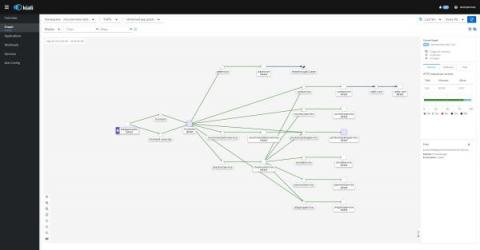
The Observability Platform from Observe is a tool that helps engineers and DevOps teams quickly analyze the performance of and troubleshoot problems with an organization’s distributed applications. Its power comes from its ability to ingest any kind of telemetry and machine data–trace data, log data, metric data, billing data, and so on–into a single source using Snowflake, and then map the relationships between data sets. These relationships can be displayed graphically as an interactive visualization, making it easy for end users to trace connections between datasets in order to diagnose the cause of error notifications or gain insight into an application's performance.
Sponsored Post

Speedscale Launches CLI: Free API Observability Tool

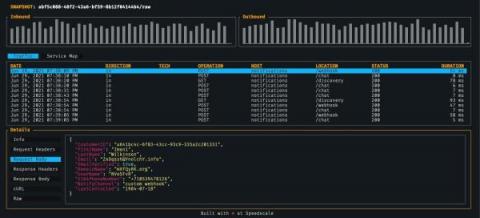
We are excited to announce the launch of Speedscale CLI, a free observability tool that inspects, detects and maps API calls on local applications or containers. The offering underscores the importance of continued and proactive API testing to quickly detect and debug defects within a shifting array of upstream and downstream interdependencies.

REST API Observability for Python

In this blog post we’ll help answer the age old question, “What does this service talk to and what does it say?” We’ll see how to inspect inbound and outbound REST API calls to see what calls are being made and what incoming traffic causes a reaction. This can be pretty handy when you’re taking over maintenance of an existing service, or if your code just isn’t behaving the way you expect.